Olympian Arrested for Pool Vandalism Denies Damaging Historic DC Monument
Former Olympian arrested at Washington Reflecting Pool denies vandalism charges, claiming he was examining new paint out of curiosity during incident.
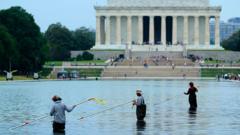
Former Olympian Denies Washington Reflecting Pool Vandalism Allegations
A former Olympic athlete has disputed accusations of vandalizing the iconic Washington Reflecting Pool following his arrest, stating that he was merely examining newly applied paint at the nationally significant landmark. The incident has drawn attention to security concerns at one of Washington DC's most visited monuments and raised questions about the circumstances surrounding the alleged vandalism.
Details of the Arrest and Allegations
Davey Hearn, the former Olympian in question, firmly denies the charges of vandalizing the Washington Reflecting Pool. According to his account, he approached the site out of simple curiosity regarding the freshly painted surfaces and did not intentionally remove, damage, or alter any materials present at the location. His statement contradicts the initial reports that led to his arrest at the scene.
Examination Claims vs. Vandalism Charges
The distinction between casual examination and intentional vandalism forms the crux of Hearn's defense. According to his explanation, he was engaging in innocent exploration of the newly painted areas when authorities arrived and took him into custody. The former athlete maintains that his actions were exploratory in nature rather than destructive, arguing that he was simply touching the paint to assess its condition or observe its application.
This account raises important questions about how law enforcement differentiates between innocent curiosity and deliberate vandalism, particularly at historically significant public monuments. The Washington Reflecting Pool, which stretches across the National Mall, requires careful maintenance and protection due to its architectural and cultural importance.
The Washington Reflecting Pool's Significance
The Washington Reflecting Pool stands as one of the most recognizable and frequently visited landmarks in the nation's capital. Stretching approximately 2,000 feet, this iconic water feature serves as a backdrop for countless memorials and monuments along the National Mall. Given its prominence and accessibility to the public, the site requires constant attention to preservation and security measures.
Recent renovation and maintenance efforts at the Washington Reflecting Pool have included various improvements and updates to the structure. These ongoing projects ensure that the monument remains in optimal condition for future generations while maintaining its historical integrity.
Legal Proceedings and Defense Strategy
Hearn's legal team has focused on establishing that his actions did not constitute vandalism in any meaningful sense. By demonstrating that he neither removed nor significantly altered any materials, they argue that the charges lack sufficient foundation. The case highlights the importance of distinguishing between different types of contact with public monuments.
The examination of evidence in the case will likely determine whether Hearn's version of events can be substantiated. Security footage, witness accounts, and physical evidence from the Washington Reflecting Pool may prove crucial in establishing what actually occurred during the incident.
Public Monument Security Concerns
The incident at the Washington Reflecting Pool raises broader questions about security and public access at national monuments. Balancing the public's right to freely visit and appreciate these landmarks with the need to protect them from damage presents an ongoing challenge for authorities responsible for maintaining DC's most iconic sites.
Park officials and law enforcement continue to assess security protocols to prevent future incidents while ensuring that visitors can enjoy public spaces without excessive restrictions. The case involving the former Olympian may prompt a review of how security personnel are trained to respond to suspicious behavior at these important cultural destinations.
Conclusion
The arrest of a former Olympian at the Washington Reflecting Pool has generated significant debate about vandalism, public access, and monument preservation. Davey Hearn's denial of the vandalism charges and his explanation that he was merely examining newly painted surfaces underscore the complexity of determining intent when individuals interact with public monuments. As legal proceedings continue, this case will likely influence how authorities approach similar situations at Washington DC's treasured landmarks in the future.


