Colombia's Internal Conflict Shapes Pivotal Presidential Race
Colombia faces a defining presidential election as internal conflict dominates debate. A left-wing senator advocates gang negotiations while a Trump-endorsed ou...
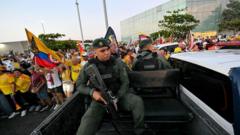
Colombia's Internal Conflict Dominates Electoral Landscape
Colombia's presidential election is being shaped fundamentally by the nation's ongoing internal conflict, with voters confronting starkly different approaches to address violence and gang-related activities. The escalating brutality of armed groups has become the central issue in this pivotal electoral contest, forcing candidates to articulate competing visions for restoring peace and security across the country.
The Colombia presidential election represents more than just a routine political transition. It reflects deep divisions within Colombian society about how to combat organized crime, gang violence, and the institutional failures that have allowed these groups to flourish. Citizens are witnessing two fundamentally opposed candidates offering radically different remedies for the nation's security crisis.
The Left-Wing Senator's Dialogue Approach
One candidate gaining prominence is a left-leaning senator who advocates for direct negotiations and dialogue with armed criminal organizations. This politician argues that military and police enforcement alone has failed to resolve Colombia's violence crisis and that meaningful progress requires engaging these groups in substantive talks. The senator's platform emphasizes reconciliation, addressing root causes of criminality, and establishing frameworks where armed gangs participate in peace negotiations similar to historical peace processes.
This candidate's supporters contend that traditional security approaches have proven ineffective over decades, resulting in thousands of deaths and massive internal displacement. They believe that opening communication channels with criminal organizations, while maintaining firm legal boundaries, could reduce bloodshed and create pathways toward reintegration. The senator's coalition includes progressive movements, human rights advocates, and citizens tired of endless violence.
Critics' Concerns About Negotiation Strategy
Critics of the negotiation approach worry that engaging armed gangs legitimizes criminal organizations and potentially rewards violence. Opposition voices question whether gang leaders will genuinely commit to peace agreements or simply exploit negotiations to consolidate power. They argue that dialogue with criminal enterprises sends contradictory messages about the rule of law and governance.
The Trump-Backed Outsider's Position
Facing this candidate is an outsider who has received endorsement from former U.S. President Donald Trump. This competitor represents a dramatically different approach to Colombia's security challenges, advocating for strong enforcement, expanded military operations, and hardline policies against organized crime. The candidate positions himself as a decisive leader willing to implement tough measures that mainstream politicians allegedly lack courage to pursue.
The Trump-endorsed candidate appeals to voters demanding swift action against violence and gang operations. His platform emphasizes strengthening security forces, implementing aggressive prosecution strategies, and taking uncompromising positions against criminal organizations. Supporters view this approach as realistic and necessary given the severity of gang violence affecting Colombian communities.
International Dimensions of Security Policy
The endorsement by Trump adds international dimensions to Colombia's internal debate, reflecting broader hemispheric interests in regional stability. The Trump-backed candidate's approach aligns with traditional U.S. security cooperation frameworks that emphasize military assistance and enforcement-based strategies. This creates implicit comparisons to historical U.S. involvement in Colombian security matters and drug trafficking interdiction efforts.
Electoral Stakes and National Direction
This election carries profound implications for Colombia's trajectory. Voters must decide whether addressing internal conflict requires diplomatic engagement with armed groups or reinforced security operations. The choice between negotiation and enforcement represents fundamentally different philosophies about governance, justice, and conflict resolution.
Colombian society remains deeply divided on these approaches. Rural communities experiencing direct gang violence often prioritize immediate security improvements. Urban voters may emphasize longer-term peace-building and social programs addressing criminality's root causes. Regional variations in gang presence and economic conditions shape differing voter preferences across the country.
The Violence Crisis Context
Understanding this electoral dynamic requires recognizing the severity of Colombia's internal conflict. Armed groups control territory in multiple regions, engage in drug trafficking, extortion, and recruitment activities. The violence generates human rights violations, displaces communities, and undermines institutional legitimacy. Citizens face daily threats from criminal organizations operating with relative impunity in some areas.
The internal conflict has killed thousands, created hundreds of thousands of internally displaced persons, and destabilized entire regions. Gang violence extends beyond traditional narcotrafficking to include protection rackets, kidnapping, and territorial battles. This brutal reality frames the presidential election as a matter of national survival and institutional competence.
Voter Concerns and Electoral Implications
Colombian voters entering polling stations confront urgent security concerns affecting their families and communities. The presidential election serves as a referendum on competing security philosophies. Some voters believe international experience and tough enforcement offer the best protection. Others believe that sustainable peace requires addressing why young people join armed organizations and what incentives drive gang recruitment.
The contrast between these candidates reflects genuine ideological divides within Colombian politics and society. This is not merely a personality-based competition but a substantive debate about institutional strategy, resource allocation, and fundamental approaches to governance during ongoing conflict. The election outcome will determine which security framework guides Colombian policy for the next presidential term.


