Lebanese Turtle Conservationist Mona Khalil Dies in Israeli Military Strike
Mona Khalil, a dedicated Lebanese conservationist, lost her life protecting the Beirut beach she had dedicated years to preserving from Israeli military operati...
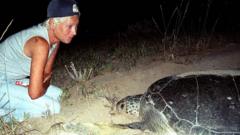
Dedicated Conservationist Mona Khalil Killed in Israeli Strike
Mona Khalil, a prominent Lebanese turtle conservationist, tragically lost her life following an Israeli military strike in Lebanon. The conservation advocate had devoted herself to protecting the coastal habitats where endangered sea turtles nest and breed. Her commitment to environmental preservation was unwavering, even as conflict intensified in the region.
Years of Service to Marine Conservation
Throughout her career, Khalil had established herself as a passionate voice for protecting Lebanon's marine ecosystems. She worked tirelessly on the beaches of Beirut, where she had spent countless hours monitoring turtle populations and educating local communities about the importance of preserving these ancient creatures. Her conservation work focused on nesting seasons, when vulnerable sea turtle eggs require careful protection from human interference and environmental threats.
The Lebanese turtle conservationist had earned respect from both local residents and international environmental organizations for her dedication. Despite facing numerous challenges, including limited resources and political instability, she remained committed to her mission of safeguarding the coastal environment.
Refusal to Abandon Her Post
Even as military tensions escalated in the region, Khalil made the difficult decision to remain at the beach she had spent years protecting. She believed that abandoning her post would mean leaving the nesting sites vulnerable during critical periods. Her determination to stay reflected the depth of her commitment to the conservation cause, prioritizing the survival of endangered species over personal safety concerns.
Colleagues and friends recalled her unwavering dedication to the work, noting that she had multiple opportunities to relocate to safer areas. However, Khalil consistently chose to remain vigilant at the beach, monitoring conditions and ensuring that the delicate ecosystem continued to thrive.
The Impact of Conflict on Environmental Work
The death of this Lebanese turtle conservationist highlights the intersection of military conflict and environmental protection. Conservation efforts in conflict zones face extraordinary challenges, as resources are diverted to immediate humanitarian needs and infrastructure is damaged by military operations. The loss of dedicated professionals like Khalil represents not only a human tragedy but also a setback for biodiversity preservation efforts in the Eastern Mediterranean region.
Her work had contributed to broader understanding of sea turtle migration patterns and nesting behaviors along the Lebanese coast. Research conducted during her tenure provided valuable data for international marine conservation initiatives.
Legacy and Ongoing Conservation Efforts
Following Khalil's death, questions have emerged about the future of turtle conservation programs in Lebanon. Environmental organizations have pledged to continue her work, honoring her memory through sustained efforts to protect critical nesting habitats. The Lebanese turtle conservationist's legacy serves as a reminder of the risks faced by environmental advocates working in vulnerable regions.
International conservation groups have expressed their commitment to supporting local initiatives that continue Khalil's mission. Her dedication has inspired renewed focus on documenting and preserving the region's endangered marine species, ensuring that her life's work extends beyond her tragic passing.
Broader Context of Environmental Impact
The incident underscores how military operations can devastate both human populations and natural ecosystems simultaneously. Coastal environments in conflict zones often suffer irreversible damage, affecting species survival rates and ecological balance. The work initiated by passionate conservationists like Khalil becomes increasingly critical as environmental pressures mount.
Her contributions to marine biology and conservation science have been documented by research institutions, providing a foundation for future conservation efforts in Lebanon and the broader Mediterranean region. The Lebanese turtle conservationist's legacy continues to influence environmental policy discussions and conservation planning.


