US Treasury Chief Warns Iran of Unprecedented Economic Isolation Strategy
Treasury Secretary Scott Bessent announces unprecedented financial offensive against Iran, threatening economic isolation for nations partnering with Tehran in...
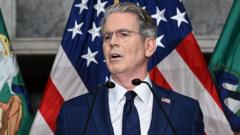
Treasury Secretary Announces Comprehensive Economic Offensive
The United States is preparing to implement what officials describe as the most significant Iran economic isolation campaign in recent history. Treasury Secretary Scott Bessent has made clear that Washington intends to completely sever all economic connections with the Iranian government while simultaneously targeting any international partners who maintain financial relationships with Tehran.
This Iran economic isolation strategy represents a dramatic escalation in Washington's approach to managing relations with the Islamic Republic. Bessent's statements underscore a fundamental shift in US policy architecture, moving beyond targeted sanctions toward comprehensive financial disconnection from the Iranian economy at every level.
Global Financial Partnerships Face Consequences
A critical component of the newly announced approach involves isolating nations that choose to maintain economic ties with Iran. According to Bessent, any country that engages in financial partnerships with Tehran will face its own economic consequences and international isolation. This policy structure attempts to create a global financial environment where supporting Iran becomes prohibitively costly for other nations.
The scope of this Iran economic isolation effort extends beyond traditional bilateral relationships. It encompasses trade arrangements, banking systems, energy markets, and investment mechanisms that might facilitate Iranian economic development or operational capacity. The administration seeks to ensure that potential partners understand the high cost of defying American economic pressure on Iran.
Strategic Implications for International Commerce
The Treasury Secretary's announcement regarding Iran economic isolation carries significant implications for global trade patterns and international business operations. Companies and financial institutions worldwide must reassess their risk exposure regarding any Iranian-related transactions or partnerships. The threat of secondary sanctions—penalties imposed on entities conducting business with Iran—creates substantial compliance burdens for multinational corporations.
Countries with existing economic interests in Iran face difficult choices between maintaining those relationships and avoiding American sanctions. This approach represents an attempt to leverage the dollar's dominance in global finance and America's significant economic power to coerce behavioral changes among both Iran and its international partners.
Implementation Mechanisms and Enforcement
The Iran economic isolation strategy will likely operate through multiple enforcement channels. Primary mechanisms include targeted sanctions against specific Iranian government officials, military entities, and state-owned enterprises. Secondary measures involve restricting access to the American financial system for foreign banks and corporations that facilitate Iranian transactions.
Treasury Department enforcement actions typically include blocking assets, prohibiting transactions, and designating entities as sanctions targets. These tools have proven effective in previous campaigns, though their application against a nation as economically complex as Iran presents unique operational challenges. The commitment outlined by Bessent suggests Washington intends to deploy these mechanisms comprehensively and persistently.
Broader Context of US-Iran Relations
This announcement regarding Iran economic isolation fits within the broader framework of deteriorating US-Iran relations. The administration's rhetoric and policy trajectory indicate a hardline approach that prioritizes maximum pressure and economic coercion as primary diplomatic tools. The emphasis on complete economic severance rather than negotiated settlements reflects skepticism about diplomatic engagement pathways.
The statement by the Treasury Secretary suggests that the incoming administration intends to escalate existing pressures on Iran significantly. Previous sanction regimes, while substantial, maintained certain carve-outs and allowances. The new approach signals an intention to eliminate these exceptions and create an increasingly austere economic environment for Iranian government operations and civilian commerce alike.
International Reactions and Concerns
The announcement of such sweeping Iran economic isolation measures will likely generate varied international responses. European nations with substantial trade interests in Iran may resist full compliance with the most aggressive aspects of the policy. Chinese and Russian entities, already accustomed to sanctions evasion strategies, will presumably develop sophisticated workarounds to maintain Iranian partnerships.
The Treasury Secretary's warnings regarding nations that partner with Iran reflect American expectations that other countries will acquiesce to these economic preferences. However, historical precedent suggests that countries prioritizing their own economic interests often resist such pressure, particularly when alternative trading partners and financial systems provide viable alternatives.
Humanitarian and Economic Consequences
Implementation of comprehensive Iran economic isolation strategies typically produces significant humanitarian consequences for civilian populations. Restrictions on access to foreign currency, imported goods, and financial services affect ordinary citizens alongside government institutions. The stated objective of economic coercion often conflicts with humanitarian considerations, creating complex policy dilemmas for international observers and advocacy organizations.
The effectiveness of Iran economic isolation approaches depends partly on global compliance and enforcement consistency. If major economic powers fail to align with American sanctions architecture, the impact diminishes considerably. The Treasury Secretary's warnings suggest American officials believe they possess sufficient economic leverage to compel international participation in the isolation effort.
Looking Forward: Policy Implications
The Treasury Secretary's comprehensive statement regarding Iran economic isolation indicates that American economic policy toward the region will intensify substantially. Financial institutions, multinational corporations, and foreign governments must prepare for significantly stricter compliance requirements and reduced tolerance for Iranian-related transactions. This policy trajectory suggests an extended period of heightened economic pressure with limited near-term prospects for normalization.


