Ukraine Strikes Halt Fuel Sales in Russian-Occupied Crimea
Ukraine targets Russian oil facilities in Crimea, forcing fuel sales suspension. Supply routes damaged by Kyiv attacks worsen energy crisis in occupied territor...
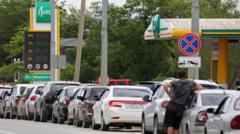
Fuel Sales Suspended in Russian-Occupied Crimea Following Ukrainian Operations
The suspension of fuel sales in Russian-occupied Crimea represents a significant escalation in Ukraine's energy warfare strategy. Fuel sales halts have been implemented across multiple distribution points as Ukrainian forces continue targeting critical petroleum infrastructure throughout the peninsula and surrounding regions.
Energy authorities in the occupied region have struggled to maintain basic fuel distribution services as fuel sales face unprecedented disruptions. The petroleum sector collapse reflects the intensifying military pressure on supply chains that sustain Russian operations in contested territories.
Supply Chain Collapse and Rationing Measures
Prior to the complete suspension of fuel sales, authorities had already implemented strict rationing protocols. Fuel shortages emerged as a direct consequence of Kyiv's coordinated attacks against key supply routes connecting Russian-occupied territories to refineries and distribution hubs.
These supply routes, which traditionally funneled petroleum products from Russian refineries through occupied Ukraine into Crimea, have suffered repeated damage from Ukrainian strikes. The cumulative effect of multiple attacks on critical infrastructure has rendered normal fuel sales operations virtually impossible.
Ukraine's Strategic Energy Targeting Campaign
Ukrainian military operations have deliberately focused on disrupting energy supplies throughout Russian-controlled areas. By targeting oil facilities and supply routes, Ukraine aims to degrade logistical capabilities supporting Russian forces and occupation infrastructure.
The strategy reflects a broader approach to warfare involving civilian infrastructure disruption. Energy independence and fuel availability have become critical vulnerabilities for Russian occupation authorities managing daily governance in contested regions.
Impact on Occupied Territory Populations
The suspension of fuel sales directly affects civilian populations residing in Russian-occupied Crimea. Citizens face severe restrictions on fuel purchases, forcing difficult choices regarding transportation, heating, and essential services dependent on petroleum products.
Fuel sales limitations extend beyond personal vehicles, impacting agricultural operations, commercial enterprises, and emergency services. The cascading effects of fuel shortages create humanitarian challenges compounding existing tensions in occupied territories.
Russian Response and Counteroffensive Measures
Russian authorities have implemented emergency protocols attempting to restore fuel distribution capabilities. However, fuel sales remain constrained by persistent supply route vulnerabilities and the difficulty of rerouting petroleum products through alternative networks.
Reconstruction efforts targeting damaged pipeline infrastructure and refinery facilities proceed slowly, hampered by ongoing security concerns and resource limitations. The occupation administration faces mounting pressure to restore basic energy services while defending against continued Ukrainian operations.
Broader Implications for Regional Energy Security
The fuel sales crisis in Crimea exemplifies broader energy security challenges throughout Eastern Europe. Supply route vulnerabilities expose the fragility of petroleum distribution networks spanning multiple territories and conflict zones.
Ukraine's targeting of fuel infrastructure demonstrates how modern conflicts increasingly focus on civilian economic disruption as a military objective. Fuel sales suspension serves as both a practical consequence of warfare and a potential tool for civilian pressure on occupation authorities.
Future Outlook for Fuel Availability
Restoring fuel sales in occupied territories depends entirely on stabilizing supply routes and reconstructing damaged infrastructure. Russian authorities face difficult choices between defensive measures protecting pipelines and offensive operations supporting military objectives.
The fuel sales situation will likely remain critical throughout the occupation period, with periodic disruptions and rationing becoming normalized aspects of life in contested territories. Energy shortages will continue influencing civilian experiences and occupation sustainability regardless of military developments.


