Trump Warns Iran Over Hezbollah as Diplomats Meet in Switzerland
Trump issues stern warnings to Iran regarding Hezbollah activities in Lebanon while diplomatic talks proceed in Switzerland. Latest developments in US-Iran nego...
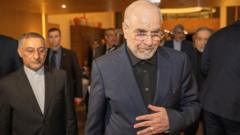
Trump Issues Stark Warning During Ongoing Iran Talks
Tensions escalated in Trump Iran negotiations as the US president delivered a forceful message regarding Tehran's involvement with militant groups. While diplomatic representatives gathered in Switzerland for crucial discussions, Trump made explicit statements warning Iran to curtail Hezbollah's operations in Lebanon, signaling a hardline approach to ongoing geopolitical disputes.
Background on the Diplomatic Engagement
The Trump Iran negotiations represent a critical juncture in international relations, with representatives meeting in Switzerland to address longstanding disputes between Washington and Tehran. These talks come amid broader regional instability, particularly concerning Iranian-backed proxy forces operating across the Middle East. The discussions aim to explore potential pathways for de-escalation, though the Trump administration maintains a confrontational stance on certain security matters.
Military Pressure and Strategic Threats
Trump's absence from the physical negotiations did not diminish his influence on the diplomatic process. The president demonstrated a willingness to employ military threats as leverage in Trump Iran negotiations, explicitly warning that military action would follow if Iran failed to impose meaningful constraints on Hezbollah's activities in Lebanon. This approach reflects the administration's conviction that strength and deterrence constitute essential negotiating tools in Middle Eastern diplomacy.
Hezbollah's Role and Regional Implications
Hezbollah, the Lebanese political and military organization with extensive Iranian backing, remains central to broader Middle East tensions. Trump's focus on curbing Hezbollah activities underscores American concerns about Iranian regional expansion and proxy warfare tactics. The organization operates simultaneously as a political party in Lebanon and as a military force, complicating diplomatic efforts and international responses. The Trump administration's explicit linkage between Iran's compliance on this issue and potential military consequences demonstrates the administration's prioritization of countering Iranian influence throughout the region.
Diplomatic Strategy and Negotiating Position
The Trump Iran negotiations employ a multi-faceted strategy combining direct engagement with explicit military threats. By maintaining physical separation from the talks while issuing stern warnings, Trump projects presidential authority while allowing negotiators operational flexibility. This calculated approach aims to demonstrate American resolve without completely closing diplomatic channels. The presence of negotiators in Switzerland indicates willingness to engage, while military threats serve as background pressure for Iranian decision-makers to accept American demands regarding Hezbollah restraint.
International Reactions and Global Context
The Trump Iran negotiations have drawn international attention given the potential ramifications for regional stability and global oil markets. European allies, Swiss officials facilitating the talks, and regional players monitor developments closely. The stakes involve not only Lebanese security but broader questions about Iranian regional influence, nuclear capabilities, and international alignment patterns. Trump's willingness to threaten military action while pursuing negotiations reflects his administration's distinctive approach to foreign policy, blending coercive diplomacy with selective engagement.
Hezbollah's Activities in Lebanon
Lebanon faces mounting challenges stemming from Hezbollah's significant military arsenal and operational capabilities. The organization commands thousands of fighters equipped with advanced weaponry, creating substantial military force within Lebanese territory. This situation complicates Lebanese sovereignty and creates humanitarian concerns for civilian populations. The Trump administration's insistence that Iran restrain Hezbollah reflects American assessment that military escalation could have catastrophic consequences for regional stability and international security interests.
Future Implications for Trump Iran Negotiations
The trajectory of Trump Iran negotiations depends substantially on how Iranian decision-makers respond to the president's explicit warnings. Compliance with American demands regarding Hezbollah could open pathways toward broader diplomatic settlements. Conversely, Iranian resistance might trigger military confrontation, though American military capabilities and international law considerations create complex constraints on direct action. The negotiations continue amid this complicated backdrop, with diplomatic representatives seeking common ground while political leaders maintain confrontational rhetoric.


