Trump Dismisses US Weapons Shortage Claims and Vows to Find Leakers
Trump denies US weapons shortage amid classified data debates. Learn what the president said about information leakers and military readiness in this exclusive...
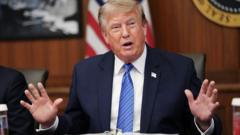
Trump Addresses US Weapons Shortage Controversy
Former President Donald Trump has firmly rejected assertions regarding a US weapons shortage, while simultaneously pledging to pursue those responsible for disclosing sensitive information. The US weapons shortage debate has intensified as lawmakers and defense experts grapple with questions about America's military preparedness and stockpile capacity.
Trump's statement comes at a time when concerns about defense capabilities have become increasingly prevalent in policy discussions. While he downplayed concerns about weapon availability, Trump made clear his determination to identify and hold accountable those involved in leaking classified materials to the public.
The Classification Challenge
A significant obstacle in evaluating US weapons shortage claims lies in the classified nature of much defense inventory data. Government officials maintain strict confidentiality over precise numbers regarding military weaponry reserves, production capacity, and deployment readiness. This classification protocol exists to protect national security interests and maintain strategic advantages.
However, information that remains in the public domain paints a more detailed picture of America's weapons situation. Unclassified sources and open-source analysis provide insights into how extensively the United States has depleted certain types of weaponry in recent military operations and international support commitments.
Evidence of Weapons Depletion
According to publicly accessible information and defense analysis, the United States has consumed substantial quantities of complex, difficult-to-manufacture weapons systems. These specialized defense tools require extended production timelines and significant manufacturing infrastructure, making rapid replenishment challenging.
The depletion appears most pronounced in specific weapons categories that have been heavily utilized in various military engagements and international military aid packages. Production facilities designed to manufacture these sophisticated systems operate at capacity, yet demand consistently outpaces supply capabilities.
Trump's Response to Leaker Investigations
The former president's commitment to locating and pursuing those responsible for information leaks represents a broader policy stance on protecting classified materials. Trump characterized individuals involved in unauthorized disclosure of sensitive information as targets of active investigation and prosecution efforts.
This hardline approach reflects concerns within leadership circles about the unauthorized dissemination of restricted defense information. The administration views such leaks as potential threats to national security operations and strategic positioning.
Military Readiness Questions
Beyond the weapons shortage rhetoric, broader questions surround American military readiness in the current geopolitical environment. Defense planners must balance immediate operational requirements with long-term strategic preparedness, a challenge complicated by supply chain constraints and manufacturing limitations.
The US weapons shortage debate encompasses not merely numerical availability but also qualitative assessments of equipment functionality, modernization status, and technological superiority. These multifaceted considerations influence comprehensive evaluations of military capability.
Production Capacity Constraints
Manufacturing constraints represent a fundamental challenge in addressing potential weapons shortages. Complex weapons systems demand specialized components, skilled manufacturing workforces, and sophisticated production technology. Expanding capacity requires substantial capital investment and extended development timelines.
Defense contractors operating within established facility parameters face practical limitations on production acceleration. Even with increased funding and prioritization, manufacturing complex weapons systems cannot achieve dramatic production increases without comprehensive facility upgrades and workforce expansion.
The Leak Investigation Priority
Trump's emphasis on identifying information leakers highlights the administration's focus on internal security measures within defense establishments. Unauthorized disclosures of weapons inventory information, deployment strategies, or military capabilities pose tangible operational risks.
Investigation efforts target individuals with access to classified information who may have compromised operational security. The pursuit of these individuals extends across intelligence agencies, military investigative services, and federal law enforcement organizations.
Strategic Implications
The ongoing debate surrounding US weapons shortage claims carries significant strategic implications for military planning, defense budgeting, and international commitments. How American leadership addresses these challenges influences allied confidence, adversary assessments, and long-term military modernization priorities.
Trump's dismissal of shortage claims, combined with aggressive leak prosecution, reflects a particular strategic philosophy emphasizing strength projection and information security. Whether this approach adequately addresses underlying manufacturing and supply realities remains subject to expert analysis and policy debate.


