Gulf State Allies Urge Swift De-Escalation as Energy Shock Ripples Across the Globe
With global energy markets trembling as drone attacks ripple across the Gulf, the United Arab Emirates and Qatar are quietly working behind the scenes to preven...
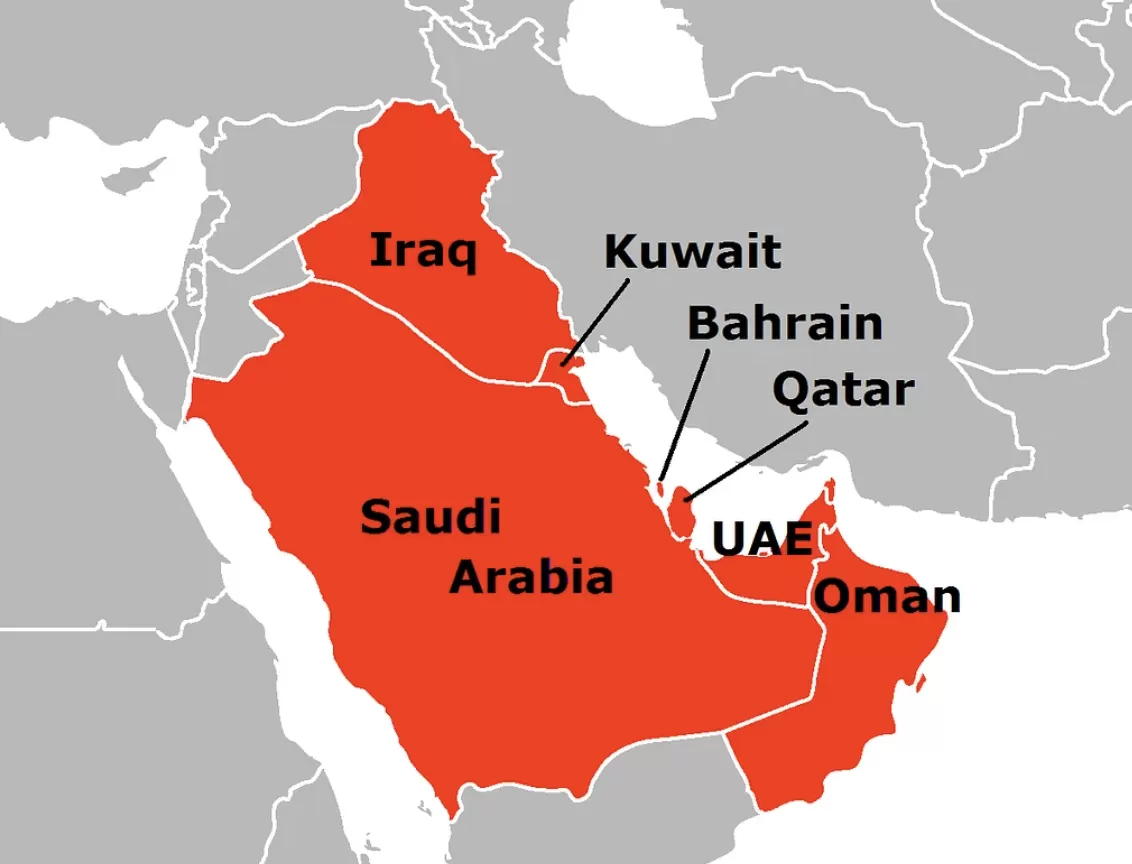
As tensions continue to rise in the Gulf region, the world is holding its breath, fearing the worst. The recent drone attacks on Saudi Arabia's oil facilities have sent shockwaves through global energy markets, causing prices to skyrocket and threatening the stability of the global economy. In the midst of this chaos, two unlikely allies have emerged to urge swift de-escalation and prevent a prolonged military confrontation between the United States, Israel, and Iran.
The United Arab Emirates and Qatar, two Gulf states with close ties to the United States, have been working tirelessly behind the scenes to ease tensions and prevent a potential catastrophe. While the world watches with bated breath, these two nations have been quietly using their diplomatic channels to urge all parties involved to exercise restraint and find a peaceful resolution.
The recent drone attacks on Saudi Arabia's oil facilities, which have been claimed by Houthi rebels in Yemen but are widely believed to be orchestrated by Iran, have sent shockwaves through the global energy market. The attacks have disrupted the production of 5% of the world's oil supply, causing prices to spike and creating a ripple effect that is being felt across the globe. The UAE and Qatar, both major players in the energy market, understand the gravity of the situation and the potential consequences of a prolonged conflict.
In a joint statement, the UAE and Qatar have called for all parties to exercise restraint and refrain from any actions that could further escalate the situation. They have also urged for a swift and peaceful resolution to the crisis, emphasizing the need for dialogue and diplomacy. These two nations, who have long been advocates for peace and stability in the region, are using their influence to prevent a potential disaster that could have far-reaching consequences.
The UAE and Qatar's efforts have not gone unnoticed. Their calls for de-escalation have been echoed by other nations, including France, Germany, and the United Kingdom. Even the United Nations has urged all parties to exercise maximum restraint and avoid any actions that could lead to further escalation. The world is looking to these two Gulf states to help ease tensions and find a peaceful solution to this crisis.
The UAE and Qatar's efforts are not just limited to diplomatic channels. They have also taken concrete steps to mitigate the impact of the attacks on the global energy market. The UAE has announced that it will increase its oil production to help offset the loss of supply caused by the attacks. Qatar, on the other hand, has pledged to continue its LNG exports, which are crucial for meeting the energy demands of many countries.
The actions of the UAE and Qatar demonstrate their commitment to maintaining stability in the region and their willingness to take concrete steps to support the global economy. Their efforts are a testament to their strong leadership and their unwavering dedication to promoting peace and prosperity.
As the world holds its breath and waits for the situation to unfold, the UAE and Qatar continue to work tirelessly to prevent a prolonged military confrontation. Their efforts are a ray of hope in these uncertain times and serve as a reminder that diplomacy and dialogue are the only way to resolve conflicts and maintain peace.
In conclusion, the recent drone attacks on Saudi Arabia's oil facilities have sent shockwaves through the global energy market, causing prices to skyrocket and threatening the stability of the global economy. In the midst of this chaos, the UAE and Qatar have emerged as unlikely allies, working behind the scenes to urge swift de-escalation and prevent a prolonged military confrontation. Their efforts are a testament to their commitment to promoting peace and stability in the region and their determination to find a peaceful resolution to this crisis. Let us hope that their calls for restraint and dialogue are heeded, and a peaceful solution is found before it's too late.