Bank of England's Cautious Rate Stance May Extend High Interest Rates
Leading think tank warns Bank of England's modest rate increase could prolong elevated interest rates. Inflation risks staying above 2% target through 2030.
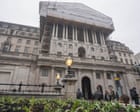
Cautious Monetary Policy Under Scrutiny
The Bank of England's approach to tackling inflation has drawn significant criticism from prominent economic analysts. According to the National Institute of Economic and Social Research (Niesr), the central bank's recent interest rate decision may result in Bank of England interest rates remaining elevated for an extended period, contrary to hopes for relief in borrowing costs.
This assessment challenges the prevailing assumption that rate hikes would be brief and temporary. Instead, experts warn that the measured approach taken by policymakers could fundamentally alter the economic landscape for households and businesses across the United Kingdom.
The Niesr Analysis and Projections
The National Institute of Economic and Social Research released a comprehensive evaluation of current monetary conditions following the central bank's latest rate decision. The think tank's findings suggest that the modest nature of the rate increase implemented last week represents a miscalculation in addressing inflationary pressures.
According to Niesr's projections, inflation may remain stubbornly above the Bank of England's official 2% target through at least 2030. This extended period of above-target inflation would require sustained higher interest rates to eventually bring price growth back under control—a scenario that would extend the period of financial strain for borrowers.
Why the Bank's Caution Backfired
Central banks typically face a delicate balancing act when responding to inflation. Too aggressive an approach risks triggering recession, while insufficient action allows price pressures to become entrenched in economic behavior. The Niesr critique focuses on the latter concern, arguing that the Bank of England's hesitant response has tilted the scales toward persistent inflation rather than rapid correction.
The think tank's analysis suggests that a more decisive rate adjustment would have sent stronger signals to consumers and businesses about the central bank's commitment to price stability. Such signals are crucial in managing inflation expectations—when people believe prices will rise substantially, they adjust their behavior in ways that become self-fulfilling prophecies.
Implications for UK Economy
If Niesr's forecasts prove accurate, the consequences for the British economy would be substantial. Prolonged inflation above the 2% target typically erodes purchasing power, affecting household budgets and consumer confidence. Businesses face uncertainty in pricing and investment decisions when they cannot reliably forecast inflation trajectories.
Additionally, Bank of England interest rates held at elevated levels for years rather than months would continue restraining mortgage borrowing, making home purchases less affordable for potential buyers. Credit for business expansion would similarly become more expensive, potentially dampening investment and economic growth.
Market Reaction and Future Expectations
Financial markets have begun pricing in the implications of this extended rate environment. Investors are reassessing assumptions about the timing of rate cuts, with many now pushing forward their expectations for relief in borrowing costs. This uncertainty creates additional challenges for financial planning across all sectors of the economy.
The Niesr's searing critique of the central bank's tactics has intensified debate about optimal monetary policy strategy. Economic commentators remain divided on whether the Bank of England should have been more aggressive or whether current conditions justify the measured approach adopted by policymakers.
Conclusion
The tension between Bank of England interest rates policy and inflation control remains one of the most critical issues facing the UK economy. As the National Institute of Economic and Social Research warns, the current trajectory—shaped by the central bank's cautious response to rising inflation—may extend the period during which rates remain elevated and inflation persists above target. Policymakers face mounting pressure to reassess their approach, though any course correction at this stage could prove complex given the interconnected nature of modern economies.