Defending Feral Children: Why Kids Need Freedom
Explore why allowing children independence matters. Discover the balance between freedom and safety in modern parenting and child development.
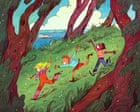
Understanding Feral Children in Modern Society
The concept of feral children has long sparked debate among parents, educators, and child development experts. Adults frequently express that children should occupy more space in the world, yet paradoxically, when young people assert their presence and independence, society demands they remain silent and compliant. This contradiction highlights a fundamental tension in how we approach childhood and autonomy in contemporary culture.
Feral children, a term often used to describe youngsters given greater freedom to explore and develop independently, represent a growing movement against overprotective parenting. These children are encouraged to take risks, solve problems, and learn from their environment without constant adult supervision. The philosophy underlying this approach suggests that such independence fosters resilience, creativity, and genuine confidence.
Island Life and Coming of Age
On Peaks Island, Maine, a small community situated approximately three miles off Portland's coast and accessible solely by water, childhood transforms into adulthood through a unique and formative experience. Island residents live year-round in this remote setting, creating a distinct environment where children develop differently than their mainland counterparts.
The island features an elementary school serving younger students, but middle and high school education requires commuting to the mainland. When island children reach sixth grade, they embark on a significant journey—catching the 7:15 AM ferry daily to attend school. This transition marks more than an educational shift; it represents a genuine rite of passage that shapes their identity and independence.
The Commute as Character Building
This ferry commute serves as a practical education in self-reliance and responsibility. Young adolescents must wake early, organize themselves, and navigate the maritime journey independently. Unlike suburban or urban students who may depend on parents for transportation, island youth develop genuine autonomy from an early age. They manage their time, prepare for various weather conditions, and solve problems without constant parental intervention.
The experience creates a natural laboratory for developing maturity. Students learn punctuality not from nagging parents but from the ferry's schedule. They gain confidence navigating between two worlds—the island community and the mainland education system. This dual existence cultivates a unique perspective and adaptability that many child development specialists recognize as increasingly valuable.
Balancing Freedom with Responsibility
Feral children philosophy doesn't advocate abandoning child safety or supervision entirely. Rather, it emphasizes graduated independence appropriate to developmental stages. The Peaks Island model demonstrates how communities can structure environments enabling children to develop autonomy while maintaining underlying safety frameworks.
Island children learn to respect nature's demands and logistics' realities. The ferry schedule doesn't accommodate excuses or negotiation—it simply operates. This inflexible structure paradoxically provides freedom by establishing clear boundaries. Children understand expectations and consequences without requiring helicopter parents hovering constantly.
Society's Contradictory Expectations
Modern society presents conflicting messages about childhood and independence. Media narratives warn of stranger danger and environmental hazards, yet simultaneously criticize children for being overly dependent and lacking resilience. Parents face judgment for allowing independence and equal criticism for overprotection. This impossible standard leaves many families struggling to find appropriate balance.
The feral children movement challenges this dysfunction by questioning whether constant supervision actually produces better outcomes. Research increasingly suggests that children benefit from age-appropriate risk-taking, problem-solving opportunities, and periods free from adult direction. Overprotection may inadvertently undermine the very independence and confidence parents hope to instill.
Learning Beyond Textbooks
The Maine island context illustrates how geography and community structure can facilitate natural learning experiences. Feral children develop through direct engagement with their environment rather than exclusively through institutional education. They learn weather patterns, navigation, timing, and social navigation through lived experience.
This experiential learning complements formal education without replacing it. Island students attend rigorous mainland schools while simultaneously gaining practical knowledge and skills their classroom peers may lack. The combination creates well-rounded development that purely academic settings cannot replicate.
Conclusion: Reimagining Childhood
Defending feral children means advocating for a childhood where young people can develop genuine competence and confidence through real experiences and graduated independence. The Peaks Island ferry commute exemplifies how communities can structure natural opportunities for growth. Rather than viewing childhood as a problem requiring constant management, recognizing children's capacity for independence and resilience may represent the path toward healthier development and more confident, capable adults.