Lawmakers Warn Against Forced Assisted Dying Bill Passage
MPs from both sides of assisted dying debate urge Parliament against using parliamentary procedures to bypass Lords scrutiny on this critical legislation.
Cross-Party Concerns Over Parliamentary Tactics
Members of Parliament representing opposing viewpoints on the assisted dying bill have jointly cautioned their colleagues against employing unconventional parliamentary mechanisms to circumvent potential obstruction from the House of Lords. This unified call for restraint comes from legislators who hold fundamentally different positions on this profoundly sensitive public matter, highlighting the gravity of the decision before Parliament.
The assisted dying bill continues to generate substantial debate within Westminster, with proponents and opponents alike expressing concerns about the procedural approach that could be adopted if the legislation faces prolonged resistance in the Upper Chamber. This cross-party intervention underscores the complexity and significance of the issue at hand.
Labour MPs Sound the Alarm
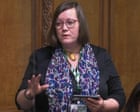
Labour MP Gareth Snell, who cast his vote in support of the assisted dying bill, has joined forces with fellow Labour colleague Meg Hillier, who voted against the measure, to issue a formal warning to their parliamentary peers. Their collaborative letter, dispatched during the critical phase preceding Friday's anticipated vote, represents a remarkable moment of bipartisan consensus on procedural matters.
Snell's support for the bill contrasts sharply with Hillier's opposition, yet both recognize a shared principle: the importance of allowing the House of Lords to discharge its constitutional responsibility of thorough legislative scrutiny. This distinction between their policy positions and their procedural concerns demonstrates the nuanced nature of parliamentary governance.
The Extraordinary Risk of Parliamentary Procedure
The terminology employed by these lawmakers—describing such tactics as an "extraordinary risk"—reflects deep apprehension about circumventing the established legislative process. The assisted dying bill debate has revealed potential pathways for fast-tracking legislation through Parliament using obscure procedural rules that have historically seen limited use.
These obscure parliamentary procedures, while technically available under Westminster rules, carry significant implications for the integrity of the legislative process. Utilizing such mechanisms to advance the assisted dying bill could establish a troubling precedent for future contentious legislation, potentially eroding public confidence in parliamentary procedures and the deliberative nature of lawmaking.
Lords Scrutiny and Constitutional Duty
Central to the MPs' argument is the assertion that the House of Lords must be afforded adequate opportunity to fulfill its foundational constitutional role. The Upper Chamber, despite its reformed composition, continues to serve as a vital check on hasty legislation and provides extended deliberation on matters of profound public significance.
The assisted dying bill, touching upon fundamental questions of life, death, ethics, and individual autonomy, unquestionably warrants the comprehensive examination that Lords scrutiny provides. Both supporters and critics of the measure recognize that such far-reaching legislative changes deserve the most rigorous parliamentary consideration available.
Implications for Democratic Process
The warning issued by Snell and Hillier extends beyond the immediate question of the assisted dying bill itself. Their intervention speaks to broader concerns about maintaining respect for parliamentary procedures and preserving the legitimacy of legislative outcomes. When legislation passes through expedited or unconventional procedures, particularly on deeply divisive issues, the resultant law may face heightened public skepticism and potential legal challenges.
Democratic governance depends upon public perception that laws are crafted through fair, transparent, and properly followed procedures. Forcing through the assisted dying bill via parliamentary mechanisms perceived as circumventing normal scrutiny could undermine public confidence in the legislative product itself, regardless of its substantive merits.
The Friday Vote and Parliamentary Momentum
The timing of this intervention—immediately preceding Friday's anticipated vote—suggests that parliamentary leadership may be contemplating expedited procedures if the assisted dying bill continues to encounter resistance in the Lords. Both government and opposition parties must weigh the political momentum behind the legislation against the long-term consequences of procedural irregularity.
Lawmakers on both sides of this profoundly personal issue have historically demonstrated willingness to prioritize process over outcome when broader constitutional principles hang in balance. This latest intervention from cross-party voices reinforces that principle, arguing that even strongly held convictions about policy must yield to commitments regarding fair parliamentary procedure.