World leaders bypass Trump to tackle Strait of Hormuz crisis
Countries heavily reliant on the energy exports from the Strait of Hormuz are troubleshooting plans to reopen the critical maritime trade route amid the chaos a...
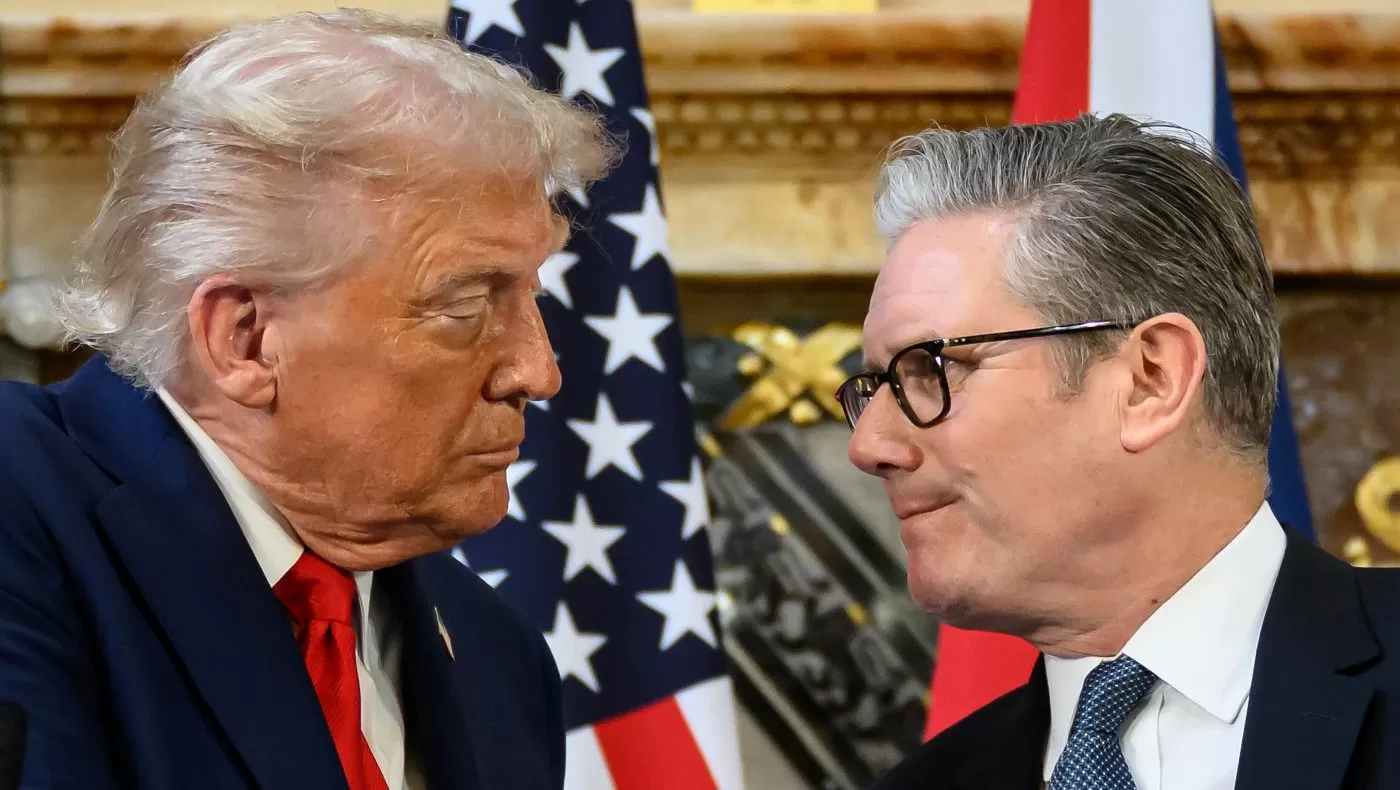
Countries heavily reliant on energy exports from the Strait of Hormuz are facing a major challenge as the ongoing tensions between the United States and Iran continue to escalate. The critical maritime trade route, which connects the Persian Gulf to the rest of the world, has been at the center of the conflict, causing chaos and uncertainty for countries that depend on it for their energy needs.
In an effort to find a solution and reopen the Strait, the United Kingdom has taken the lead by convening a meeting of 41 countries on Thursday. The meeting, which was attended by representatives from major oil-importing nations such as China, Japan, and India, aimed to discuss plans to reopen the Strait and ensure the safe passage of oil tankers through the region.
The Strait of Hormuz is a vital waterway for global energy trade, with almost one-fifth of the world's oil passing through it. Any disruption to this route could have a significant impact on the global economy, making it imperative for countries to come together and find a solution to the current crisis.
The blame for the current situation has been pinned on Iran, with the UK and other countries accusing the nation of holding oil tankers hostage and disrupting the flow of oil through the Strait. This has led to a sharp increase in oil prices and has caused concern among countries that heavily rely on energy imports from the region.
The meeting convened by the UK was a crucial step in finding a solution to this crisis. It provided a platform for countries to come together and discuss their concerns and potential solutions. The attendees agreed that the safe passage of oil tankers through the Strait of Hormuz is of utmost importance and that all efforts must be made to ensure its uninterrupted flow.
During the meeting, the UK also proposed the formation of a joint task force to protect oil tankers passing through the Strait. This task force would comprise of naval vessels from different countries, working together to safeguard the waterway and prevent any further disruptions.
The proposal was met with a positive response from the attending countries, with many expressing their willingness to contribute to the task force. This joint effort would not only ensure the safe passage of oil tankers but also send a strong message to Iran that the international community is united in protecting the freedom of navigation in the region.
In addition to the joint task force, the meeting also discussed the possibility of alternative routes for oil tankers to bypass the Strait of Hormuz. This would provide a backup plan in case of any future disruptions in the region, ensuring a steady flow of energy to countries that heavily rely on it.
The UK's initiative to convene this meeting and bring together countries from different parts of the world is commendable. It shows the country's commitment to finding a peaceful solution to the crisis and its determination to protect the interests of all nations involved.
The meeting also highlighted the importance of diplomacy and dialogue in resolving conflicts. It is crucial for countries to come together and engage in constructive discussions to find solutions that benefit all parties involved. The UK's efforts in this regard are a positive step towards de-escalating tensions in the region and promoting peace and stability.
In conclusion, the meeting convened by the UK to discuss plans to reopen the Strait of Hormuz was a significant step towards finding a solution to the ongoing crisis. The joint task force proposed by the UK and the discussions on alternative routes for oil tankers demonstrate the commitment of countries to ensure the safe passage of oil through the region. It is now up to all parties involved to work together and find a peaceful resolution to the conflict, for the benefit of the global community.