Ukraine Removes Top Military Commander Amid Widespread Protests
Oleksandr Syrskyi dismissed as Ukraine's top military leader following public backlash over Defence Minister Mykhailo Fedorov's removal from office.
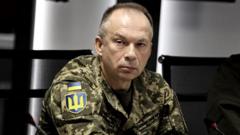
Ukraine's Top Military Chief Steps Down Following Public Outcry
Ukraine's government has made a significant change to its military leadership structure after days of sustained protests. The decision to remove the country's principal military commander reflects growing tensions within the armed forces and widespread public dissatisfaction over recent personnel decisions. This move marks another pivotal moment in Ukraine's ongoing restructuring of its defence establishment during the current geopolitical crisis.
The dismissal of Ukraine's top military commander comes in direct response to escalating pressure from various sectors of society who opposed the sudden departure of a prominent defence official. This chain of events demonstrates the delicate balance that government officials must maintain between military operations and public confidence in leadership decisions. The removal represents one of the most significant military leadership changes in recent months.
The Context Behind the Dismissal
The termination of Ukraine's chief military officer occurred after the contentious removal of another high-ranking defence personality from his position. Defence Minister Mykhailo Fedorov's departure from his role had sparked considerable concern among military personnel and civilians alike, who viewed the transition as potentially destabilizing to the nation's defence infrastructure. The subsequent decision to dismiss the Ukraine military commander was largely perceived as an attempt to address these mounting concerns and restore public confidence.
Public Reaction and Widespread Protests
Over several consecutive days, demonstrations erupted across various locations as citizens and military advocates expressed their disapproval of the personnel changes within Ukraine's defence ministry. The protests reflected deep-seated concerns about the direction of military leadership and the apparent lack of clarity regarding the rationale behind such significant decisions. These public demonstrations underscore the importance of transparency and communication when implementing major organizational changes within critical government institutions.
The scale and intensity of the protests indicated that the removal decisions had struck a nerve with multiple constituencies. Military families, defence sector employees, and ordinary citizens all voiced their concerns through organized demonstrations and public statements. This broad-based opposition created political pressure that ultimately influenced the government's decision to make further adjustments to its military command structure.
Defence Leadership Transitions and Strategic Implications
The dismissal of Ukraine's top military leader represents a significant moment for the nation's defence strategy and institutional stability. Such high-level transitions can have far-reaching consequences for military operations, morale, and international relationships. The government's handling of these personnel changes will likely continue to influence public perception of its commitment to effective defence management.
Questions remain regarding who will assume the role of Ukraine's top military commander and what specific qualifications and experience the successor will bring to the position. The selection process for a replacement will be closely monitored by both domestic and international observers, as it signals the government's priorities and vision for the military's future direction.
Broader Implications for Ukraine's Defence Structure
These recent changes to Ukraine's military leadership reveal the complex challenges facing the nation's defence establishment. Balancing operational effectiveness with public accountability and maintaining confidence in institutional leadership requires careful consideration of multiple factors. The government must navigate between making necessary tactical decisions and ensuring that such decisions maintain the support and trust of both the military and the civilian population.
The situation also highlights the importance of clear communication regarding leadership changes. When major personnel decisions are implemented without adequate explanation or public dialogue, resistance and uncertainty can emerge. Future transitions within Ukraine's defence ministry will likely benefit from greater transparency and stakeholder engagement to maintain stability and public confidence.
Moving Forward: Lessons and Future Direction
The events surrounding the dismissal of Ukraine's military commander offer important lessons about institutional change management during periods of national stress. Successful military leadership requires not only tactical competence but also the ability to maintain cohesion and public support during challenging circumstances. The government's response to recent protests demonstrates that public opinion remains a significant factor in major defence decisions.
As Ukraine continues to navigate its current situation, the careful selection and management of military leadership will remain critical. The nation's defence establishment must operate with both operational efficiency and transparency to ensure sustained public and international support for its security initiatives.


