Trump Considering 'Punishing' Disloyal NATO Allies With Troop Reductions: Report
The Trump administration is reportedly considering plans to "punish" NATO nations deemed to have failed to stand by America during the military operation agains...
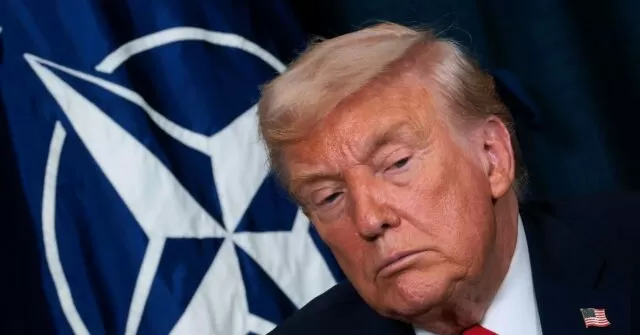
The Trump administration is reportedly considering plans to "punish" NATO nations deemed to have failed to stand by America during the recent military operation against the Islamist regime of Iran. According to reports, this could mean reducing the number of troops stationed in those countries. This development has caused quite a stir among political analysts and the general public alike. Many are questioning the wisdom and fairness of such a move. However, before jumping to conclusions, it is important to understand the reasons behind this decision and its potential impact.
Firstly, let's address the elephant in the room - the tensions between the United States and Iran. The recent military operation against the Iranian regime has sparked a heated debate on the global stage. While some nations have shown unwavering support for the US, others have been hesitant to take a firm stance. This division within NATO has not gone unnoticed by the Trump administration, and they are now considering taking action.
It is important to note that NATO is a collective defense alliance, where all members pledge to defend each other in the event of an attack. This principle of mutual defense is the cornerstone of the alliance. However, when some members fail to uphold this commitment, it weakens the entire alliance. This is precisely what the US is trying to address by considering troop reductions in certain NATO countries.
Furthermore, it is no secret that the US bears the majority of the financial burden within NATO. In fact, only five out of the 29 member countries meet the agreed-upon defense spending target of 2% of GDP. This puts a significant strain on the US economy and military resources. By reducing troops in countries that are not meeting their financial obligations, the US is sending a clear message - it is time for all NATO nations to step up and do their part.
But what about the potential impact of such a decision? Some argue that reducing troops in certain countries could weaken NATO's overall defense capabilities. However, it is important to note that the US is not withdrawing completely from these countries. It is simply reducing its presence to match the level of commitment shown by these nations. This will also serve as a wake-up call for them to increase their defense spending and take their commitments seriously.
Moreover, this decision could also have positive implications for the US. By reducing its military presence in certain countries, the US can redirect its resources to other pressing global issues, such as countering the growing threat of terrorism and addressing the ongoing crisis in the Middle East. This will not only benefit the US but also the entire NATO alliance.
It is also worth mentioning that the Trump administration has consistently emphasized the importance of burden-sharing within NATO. This is not the first time that the US has taken action to address this issue. In 2019, the US announced plans to withdraw troops from Germany due to their failure to meet defense spending targets. This decision was met with criticism, but it ultimately led to an increase in Germany's defense budget.
In conclusion, the Trump administration's consideration of "punishing" NATO nations for their lack of support during the recent military operation against Iran may seem drastic to some, but it is a necessary step to ensure the strength and unity of the alliance. This decision highlights the importance of upholding commitments and burden-sharing within NATO. It is a call to action for all member countries to take their responsibilities seriously. Ultimately, this move will benefit not only the US but also the entire NATO alliance and the global community as a whole.