Trump Administration Restricts New Chinese Humanoid Robot Imports
Trump administration implements restrictions on new Chinese humanoid robots amid escalating US-China competition in AI and robotics technology.
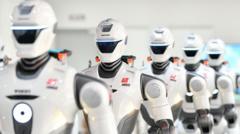
Trump Administration Takes Action on Chinese Humanoid Robot Technology
The Trump administration has announced significant restrictions targeting the importation of new Chinese humanoid robots, marking a pivotal moment in the intensifying technological competition between the United States and China. This policy intervention reflects growing concerns about maintaining American technological superiority in the critical fields of artificial intelligence and advanced robotics manufacturing.
The decision to restrict Chinese humanoid robots underscores the geopolitical tensions surrounding automation technology and represents a broader strategy to protect domestic innovation capabilities. As both nations continue their efforts to establish dominance in robotics development, policymakers in Washington have determined that limiting access to foreign humanoid robot systems serves national interests.
The Ongoing US-China Robotics Competition
The technological landscape has fundamentally shifted as the United States and China engage in an unprecedented race to lead the global robotics and artificial intelligence sectors. This competition extends far beyond mere commercial advantage; it encompasses national security considerations, economic leadership, and technological sovereignty.
China has emerged as a formidable player in humanoid robot development, with numerous companies and research institutions advancing proprietary technologies. The restrictions on Chinese humanoid robots aim to slow the transfer of advanced automation capabilities that could reshape manufacturing, service industries, and defense-related applications across the American economy.
Strategic Implications of the Import Restrictions
The Trump administration's approach to restricting Chinese humanoid robots reflects a comprehensive reevaluation of technology trade policies. By controlling access to these sophisticated systems, American officials hope to encourage domestic innovation and ensure that critical robotics research remains under domestic oversight and development.
This regulatory framework establishes new parameters for how advanced technologies can flow between the two economic superpowers. Companies seeking to import Chinese humanoid robots will face heightened scrutiny and potential licensing requirements, fundamentally altering the dynamics of the international robotics market.
Impact on American Robotics Innovation
Proponents of the restrictions argue that protecting the domestic robotics industry from foreign competition will stimulate American innovation and job creation in high-technology manufacturing sectors. By limiting access to Chinese humanoid robots, the administration aims to incentivize investment in American-developed automation solutions and artificial intelligence platforms.
The policy decision sends a clear signal to American technology companies that government support exists for domestic robotics development initiatives. This competitive advantage may encourage startups and established firms to accelerate their research timelines and bring new humanoid robot systems to market.
Global Technology Competition and National Security
Beyond commercial considerations, the restriction of Chinese humanoid robots reflects broader national security concerns. Advanced robotics and artificial intelligence systems have potential military applications, making technology control a strategic priority for the United States government. Policymakers view the management of Chinese humanoid robot imports as essential to preventing the proliferation of sensitive technologies that could advantage foreign military capabilities.
The administration's stance aligns with previous executive orders and legislative measures designed to protect American technological infrastructure from what officials characterize as predatory foreign competition. These policies represent a sustained commitment to reshaping international trade relationships in ways that prioritize American technological leadership.
Industry Response and Market Implications
Technology companies operating across both markets face significant challenges as restrictions on Chinese humanoid robots take effect. Import-dependent manufacturers and distributors must reassess their supply chain strategies and consider alternative sourcing arrangements or accelerated domestication of production capabilities.
The restriction policy may create new opportunities for American robotics manufacturers and AI developers who can fill market gaps created by limited access to Chinese humanoid robot systems. Investors increasingly recognize that government support for domestic technology sectors signals favorable conditions for American innovation-focused enterprises.


