Strait of Hormuz Talks Show Progress Despite Iran's Cautious Stance
Talks to establish a new shipping route through the Strait of Hormuz advance positively, though a final agreement remains uncertain amid Iran's warnings.
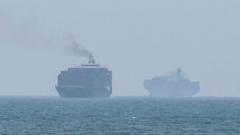
Strait of Hormuz Talks Advance with Cautious Optimism
Ongoing discussions regarding the Strait of Hormuz shipping route have demonstrated encouraging momentum, according to statements from regional negotiators. The Strait of Hormuz talks have emerged as a focal point for international maritime cooperation, with multiple stakeholders working to establish new commercial passages through one of the world's most strategically significant waterways.
The negotiations have been framed as constructive by Omani officials, who have played a mediation role in facilitating dialogue between the parties involved. Representatives from Oman have highlighted positive developments in recent discussion sessions, suggesting that participants are increasingly aligned on certain fundamental principles regarding maritime safety and transit procedures.
Iran's Position on Strait Access Remains Cautious
Despite the optimistic assessments from mediating nations, Iranian authorities have issued statements emphasizing that any agreement would not result in automatic or unrestricted opening of the Strait of Hormuz. Iranian officials have clarified that establishing a new shipping route through the strait would not equate to a comprehensive resolution of broader geopolitical tensions or security concerns affecting the region.
These warnings reflect Iran's strategic interests in maintaining certain oversight and control mechanisms regarding maritime traffic through its territorial waters. The Iranian perspective underscores the complex interplay between commercial interests and national security considerations that characterize negotiations of this magnitude.
Regional Dynamics and International Interest
The Strait of Hormuz remains critical to global energy markets, with approximately one-third of the world's seaborne oil passing through its waters annually. Any arrangement affecting shipping routes through the strait carries significant implications for international trade, energy security, and economic stability across multiple regions.
The involvement of Oman as a neutral mediator reflects its traditional role in fostering dialogue among Gulf states. Oman's geographic position and diplomatic credibility have made it an effective intermediary in addressing contentious maritime issues that require careful balancing of competing national interests.
Progress and Remaining Uncertainties
While both negotiating sides have indicated advancement toward consensus on certain technical matters, fundamental breakthroughs remain elusive. The distinction between positive atmospherics and substantive agreement has been carefully noted by observers monitoring the Strait of Hormuz talks.
Current discussions reportedly focus on establishing specific protocols for vessel identification, emergency response procedures, and communication standards that would govern the new shipping corridor. These technical frameworks are intended to enhance safety and predictability for commercial maritime operations.
Future Implications for Global Shipping
The resolution of Strait of Hormuz shipping route negotiations could potentially yield significant benefits for global maritime commerce. Should a comprehensive agreement materialize, it would represent a notable achievement in regional cooperation and international maritime governance.
However, participants and international observers recognize that multiple obstacles remain before any formal accord can be reached. The gap between preliminary agreement on procedural matters and final ratification of binding maritime arrangements requires continued diplomatic engagement and potential compromise from all parties.
The ongoing nature of these discussions demonstrates the commitment of regional actors to pursue negotiated solutions to shared maritime challenges. As the Strait of Hormuz talks continue, both the international maritime community and energy sector remain attentive to developments that could shape shipping practices and safety protocols for years to come.


