Parasitic Medications Marketed as Cancer Cures in Shocking BBC Probe
BBC investigation reveals fake cancer treatments using dewormer and scabies medications. Terminally ill patients being exploited by fraudulent suppliers offerin...
Dangerous Deception in Cancer Treatment Market
A comprehensive BBC investigation has uncovered a troubling trend where cancer treatment fraud is proliferating across multiple markets. Unscrupulous vendors are aggressively promoting parasitic medications, including dewormer and scabies drugs, as legitimate cancer treatments to vulnerable patients seeking hope during their final months.
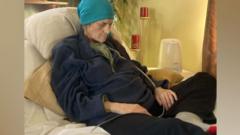
The cancer treatment fraud scheme targets some of society's most desperate individuals. One documented case involved a terminally ill patient who was approached by a stair lift salesman with claims that specialized pharmaceutical compounds could dramatically shrink existing tumors. This disturbing incident exemplifies how predatory schemes exploit medical vulnerability.
How Fake Cancer Cures Target Vulnerable Patients
Individuals battling terminal illnesses represent prime targets for those promoting fake cancer treatments. These vulnerable populations often exhaust conventional medical options and become susceptible to promises of miraculous recoveries. The use of dewormer and scabies medications as supposed cancer remedies demonstrates the brazen nature of current medical misinformation campaigns.
The BBC's investigation revealed systematic patterns in how these fake cancer cures are marketed. Salespeople deliberately target patients with advanced-stage diagnoses, leveraging emotional desperation to bypass rational skepticism. Some vendors even cross traditional industry boundaries, such as the stair lift salesman case, suggesting widespread infiltration of health fraud networks.
The Science Behind the Deception
Dewormer medications and scabies drugs contain active compounds designed specifically for parasitic treatment. These substances possess no established anti-cancer properties according to legitimate oncological research. The mechanism of action that treats parasitic infections bears no relationship to cancer cell biology or tumor reduction processes.
Despite complete absence of scientific validation, unethical vendors claim these medications can shrink tumors effectively. This represents direct contradiction of peer-reviewed medical literature and established cancer treatment protocols. The assertion that parasitic medications could provide meaningful therapeutic benefit demonstrates profound medical misinformation.
Investigating the Network of Medical Fraud
The BBC's investigative team documented multiple instances where cancer treatment fraud operated across different sectors and sales channels. The presence of non-medical professionals, like home improvement salespeople, engaging in pharmaceutical promotion suggests organized operations rather than isolated incidents.
These networks appear deliberately designed to maintain plausible deniability while distributing dangerous misinformation. By operating outside traditional healthcare channels, perpetrators avoid regulatory oversight and accountability mechanisms. The investigation traced supply chains and discovered alarming connections between multiple supposedly independent vendors.
Consequences for Patients and Families
Patients deceived by fake cancer treatments face multiple harmful consequences. Beyond financial exploitation and loss of savings, individuals may abandon legitimate medical interventions in favor of ineffective parasitic medications. This substitution of proven therapies with fraudulent alternatives can accelerate disease progression and reduce survival outcomes.
Families experience profound emotional trauma when witnessing loved ones pursue false hope through cancer treatment fraud schemes. The psychological impact of deception combines with the grief of terminal illness, creating compounded suffering. Financial devastation often accompanies the emotional burden as patients spend remaining resources on worthless remedies.
Protecting Vulnerable Populations
Health authorities and consumer protection agencies must strengthen enforcement against perpetrators of medical misinformation. The cancer treatment fraud uncovered through BBC investigation demonstrates critical gaps in current regulatory frameworks. Enhanced monitoring of pharmaceutical sales outside legitimate healthcare channels represents one essential protective measure.
Patients and caregivers should verify all cancer treatment recommendations through licensed oncologists. Legitimate medical professionals never recommend dewormer or scabies medications as cancer therapies. Educational campaigns highlighting the dangers of fake cancer cures could reduce vulnerability to these devastating deceptions.
Regulatory Response and Future Prevention
The findings warrant immediate policy review regarding dewormer and scabies medication distribution. Regulatory bodies must establish stricter protocols preventing non-pharmaceutical professionals from making health claims. Licensing requirements for any entity involved in disease treatment marketing would significantly diminish cancer treatment fraud opportunities.
Pharmaceutical supply chains require enhanced transparency and authentication measures. The BBC investigation demonstrates how easily fraudulent medications can enter distribution networks targeting desperate patients. Implementing blockchain verification and requiring pharmaceutical practitioners' credentials could establish barriers against future medical misinformation campaigns perpetuating fake cancer cures.


