Military Deployed as UK Bans Single-Use Grills Amid Wildfire Crisis
UK government temporarily bans disposable BBQs and deploys military forces to combat intense wildfires during severe drought and heatwave conditions.
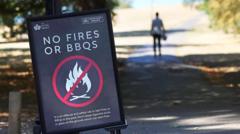
Military Deployed as UK Bans Single-Use Grills Amid Wildfire Crisis
Authorities across the United Kingdom have implemented an emergency wildfire crisis response by temporarily prohibiting single-use disposable grills in high-risk areas while deploying military personnel to bolster firefighting efforts. This dramatic escalation reflects the severity of current environmental conditions threatening communities nationwide.
Government Warning on Disposable BBQ Risks
The UK government has formally cautioned that portable grills present a "significant risk to the public" during the current period of prolonged drought combined with record-breaking heatwave temperatures. Officials stress that these convenient cooking devices, often used for outdoor gatherings, have become particular hazards given the exceptionally dry landscape conditions prevailing across multiple regions.
The temporary prohibition targets single-use grills specifically, as these products are frequently discarded irresponsibly and can ignite dry vegetation when carelessly abandoned in rural areas or parks. Meteorological data confirms that moisture levels in grass and woodland have reached critically low levels, creating ideal conditions for rapid fire spread.
Military Personnel Join Firefighting Efforts
In response to escalating wildfire incidents, defence forces have been mobilised to support overwhelmed civilian firefighting services. Military teams bring additional personnel, equipment, and logistical capabilities essential for coordinating large-scale emergency operations across affected regions.
The deployment represents a significant commitment of national resources to address the wildfire crisis threatening rural communities, agricultural lands, and populated areas. Military assistance focuses on evacuation support, perimeter containment, and resource distribution to emergency responders working around the clock.
Drought and Heatwave Conditions Worsen Situation
Environmental analysts report that the combination of severe drought and unprecedented heatwave temperatures has created textbook conditions for rapid fire propagation. Water reserves in many regions remain critically depleted, while atmospheric conditions favour fire development and spread across landscape boundaries.
Temperatures have consistently exceeded seasonal averages, with some areas recording their highest readings in decades. This extended period of extreme heat, coupled with minimal rainfall, has transformed vegetation into highly flammable material vulnerable to ignition from even minor sources.
Public Safety Measures and Restrictions
Beyond the disposable grill prohibition, authorities have implemented comprehensive public safety measures aimed at reducing ignition sources and minimising human-caused fire incidents. Residents and visitors are urged to exercise extreme caution with any open flames, smoking materials, or heat-generating activities in outdoor settings.
The government emphasises that the temporary ban on single-use grills represents a proportionate response to demonstrable public safety threats. Emergency officials stress that public cooperation with these restrictions directly impacts the effectiveness of firefighting operations and community protection efforts.
Long-term Implications and Preparedness
As the wildfire crisis continues, authorities are evaluating longer-term strategies for landscape management, vegetation control, and fire prevention infrastructure. Climate projections suggest that extreme weather patterns may become increasingly frequent, necessitating enhanced preparedness protocols and resource allocation frameworks.
Fire services, environmental agencies, and government departments are collaborating on comprehensive planning documents addressing future resilience and emergency response capacity. These initiatives aim to protect vulnerable populations while maintaining essential services during periods of environmental stress.
Community Support and Information Resources
The public is encouraged to remain vigilant regarding fire safety and to report suspected incidents immediately to emergency services. Official channels continue distributing updated guidance on evacuation procedures, emergency shelter locations, and real-time fire progression information.
Coordinated communication campaigns emphasise personal responsibility and collective action in combating the wildfire crisis. Community cooperation with emergency directives and voluntary conservation measures significantly enhances overall response effectiveness during this critical period.


