Michael Fassbender on Trust Crisis in Digital Age
Actor Michael Fassbender discusses the challenges of verifying information online and the impact of AI on society in The Agency spy thriller.
The Growing Difficulty in Distinguishing Truth from Fiction Online
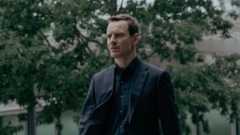
Actor Michael Fassbender has raised serious concerns about the escalating difficulty in knowing what to trust online, highlighting a critical issue in contemporary digital society. During recent discussions about the espionage-focused television series The Agency, the acclaimed performer reflected on how artificial intelligence and sophisticated disinformation campaigns are fundamentally reshaping our ability to verify authentic information.
The challenge of maintaining trust online has become increasingly urgent as technology advances. Fassbender's observations underscore a reality that millions of internet users face daily: distinguishing legitimate content from fabricated material requires unprecedented vigilance. This phenomenon extends far beyond casual social media consumption, affecting everything from news consumption to personal communications.
Artificial Intelligence and the Misinformation Crisis
The intersection of trust online and artificial intelligence presents unprecedented challenges. Deepfakes, synthetic content, and algorithmically-driven echo chambers have created an environment where visual and auditory evidence can no longer be automatically trusted. Fassbender's concerns align with broader industry conversations about how AI technology enables the creation of highly convincing false narratives.
The proliferation of AI-generated content has transformed the landscape of digital authenticity. Advanced machine learning algorithms can now produce images, videos, and text that are nearly indistinguishable from genuine materials. This technological capability raises fundamental questions about how individuals and institutions can verify information in an increasingly synthetic digital world.
Espionage Themes in The Agency Series
The context for Fassbender's remarks emerges from his work on The Agency, a contemporary spy thriller that explores themes of deception, hidden identities, and information warfare. The show examines how espionage operates in the modern era, where traditional spy craft intersects with digital manipulation and psychological operations. These fictional narratives reflect genuine anxieties about how easily information can be weaponized.
Within the framework of The Agency's narrative, characters navigate complex moral landscapes where distinguishing allies from adversaries becomes virtually impossible. This storytelling approach mirrors real-world concerns about trust online, where malicious actors employ sophisticated tactics to deceive both individuals and organizations. The series effectively illustrates how misinformation can undermine institutional credibility and personal relationships.
The Personal and Psychological Toll of Deception
Living with perpetual uncertainty about trustworthiness exacts significant psychological costs. Fassbender and fellow cast members of The Agency have discussed how constantly questioning information sources creates chronic stress and anxiety. The burden of verification—determining which claims are authentic, which sources are reliable, and which narratives are manipulated—represents a form of cognitive labor that didn't exist in previous generations.
The psychological impact extends to professional environments and personal relationships. When individuals cannot establish baseline trust in communication channels, paranoia and isolation can develop. The fictional world of The Agency dramatizes these consequences, showing how double lives and hidden identities corrode human connection and institutional stability.
Society's Response to the Trust Crisis
Addressing the deteriorating state of trust online requires multifaceted approaches. Media literacy education, technological solutions for content verification, and institutional transparency initiatives represent potential pathways forward. However, Fassbender's broader point suggests that technological innovation alone cannot solve fundamentally human problems regarding trust and authenticity.
The entertainment industry, through projects like The Agency, can contribute to public awareness about these challenges. By dramatizing the consequences of sophisticated deception, such narratives encourage audiences to think critically about information they encounter. This cultural conversation complements technical and policy responses to the misinformation crisis.
The Future of Digital Trust
As artificial intelligence continues advancing, the stakes surrounding trust online will intensify. Fassbender's public commentary reflects growing recognition among cultural figures that society faces a defining challenge: how to maintain functional trust systems when technological capabilities for creating convincing deceptions exponentially increase. The conversation sparked by The Agency and its cast members contributes to broader cultural reckoning with digital authenticity.
Moving forward, individuals, institutions, and technology companies must collaborate on solutions that preserve both security and the foundational trust necessary for society to function effectively.


