Judge Blocks RFK Jr., CDC's Changes of Child Vaccine Recommendations
A judge blocked changes that the Department of Health and Human Services (HHS) Secretary Robert F. Kennedy Jr. and the Centers for Disease Control and Preventio...
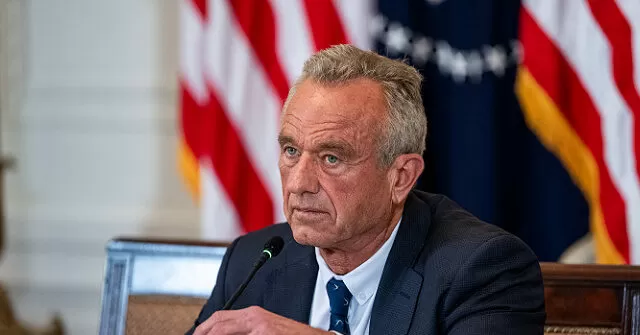
In a major victory for public health and safety, a federal judge has blocked the changes made by Department of Health and Human Services (HHS) Secretary Robert F. Kennedy Jr. and the Centers for Disease Control and Prevention (CDC) regarding the childhood vaccine schedule.
The decision, made by U.S. District Judge Paul Friedman, comes after a lawsuit was filed by a coalition of medical and public health organizations against the HHS and CDC. The lawsuit challenged the new guidelines, which would have allowed for a delay in childhood vaccinations and a more flexible schedule for parents.
Kennedy, a vocal anti-vaccine advocate, has been pushing for changes to the vaccine schedule, claiming that the current schedule is overwhelming for young children and can lead to serious health issues. However, his claims have been widely debunked by scientific studies and major medical organizations.
The CDC has also faced criticism for its handling of the COVID-19 pandemic, with some accusing the agency of downplaying the severity of the virus and spreading misinformation. This move to change the childhood vaccine schedule was seen by many as yet another attack on the credibility of the organization.
But thanks to Judge Friedman's ruling, the CDC's current vaccine schedule will remain intact, ensuring that children receive vaccinations at the recommended ages to protect them from dangerous and potentially deadly diseases.
This decision is a major win for public health and safety. Vaccines are one of the most important tools we have in preventing the spread of diseases and protecting vulnerable members of society. The current vaccine schedule, which has been rigorously studied and updated by experts, is designed to provide the best protection for children at the most critical times in their development.
Allowing for a delay in vaccinations not only puts children at risk, but it also puts the entire population at risk. When a significant number of people are not vaccinated, it creates an opportunity for diseases to spread rapidly and cause outbreaks. This has been seen in recent years with the resurgence of diseases like measles and whooping cough, which were once thought to be eradicated.
Judge Friedman's ruling sends a strong message that the safety and health of our children should not be compromised for the sake of personal beliefs or agendas. It also reaffirms the importance of relying on science and medical expertise when making decisions that impact public health.
While some may still argue that parents should have the right to choose when and how their children are vaccinated, it's important to remember that this is not just an individual decision. By allowing their children to remain unvaccinated, parents are not only putting their own child at risk, but they are also potentially putting others at risk too.
The CDC's vaccine schedule is based on extensive research and years of data, and any changes made to it should be based on sound scientific evidence. The fact that the changes proposed by Kennedy and the CDC were not supported by scientific evidence is deeply concerning and could have had dire consequences for our society.
Thanks to Judge Friedman's decision, we can rest assured that our children will continue to receive the best protection against dangerous diseases. It's time to put aside personal beliefs and agendas and prioritize the health and safety of our children and communities.