From Euthanasia and Sex Change for Minors to Elective Abortion: Europe’s Most Liberal States
Since World War II, Europeans have consistently turned away from the Church, and public policy has become more secular and more liberal, with same-sex marriage,...
In the aftermath of World War II, Europe has witnessed a significant shift in its cultural and religious landscape. The once dominant presence of the Church has gradually diminished, giving way to a more secular and liberal society. This transformation has been reflected in the region's public policies, which have become increasingly progressive, particularly in the areas of same-sex marriage, gender identity, and abortion.
The rise of secularism in Europe can be attributed to a combination of factors, including the aftermath of two devastating world wars, the spread of democracy, and the cultural influence of the United States. The horrors of war and the subsequent rebuilding of Europe led to a questioning of traditional beliefs and a desire for change. Additionally, the introduction of democracy in many European countries brought about a more diverse and inclusive society, challenging the dominance of the Church.
One of the most significant changes in European public policy has been the legalization of same-sex marriage. The Netherlands led the way in 2001, becoming the first country in the world to allow same-sex couples to marry. Since then, many other European countries have followed suit, including Belgium, Spain, and Germany. These progressive policies have given LGBTQ+ individuals the right to marry, which was once only reserved for heterosexual couples. This has not only promoted equality but has also sent a powerful message of acceptance and support to the LGBTQ+ community.
Gender identity policies have also become widespread in Europe, allowing individuals to legally change their gender without undergoing medical procedures. This has been a crucial step in protecting the rights and dignity of transgender individuals. Countries like Denmark and Malta have gone a step further by allowing individuals to self-determine their gender identity, without requiring any medical or legal intervention. This progressive approach has been praised by many as a significant step towards achieving equality and inclusivity for all.
Another area where Europe has shown its liberal stance is in the field of abortion. While each country has its own laws and restrictions, access to safe and legal abortion is widely available in most European states. In countries like Belgium and the Netherlands, abortion is allowed on request, without any specific reason or time limit. This has not only given women the autonomy to make their own choices but has also significantly reduced the number of unsafe and illegal abortions.
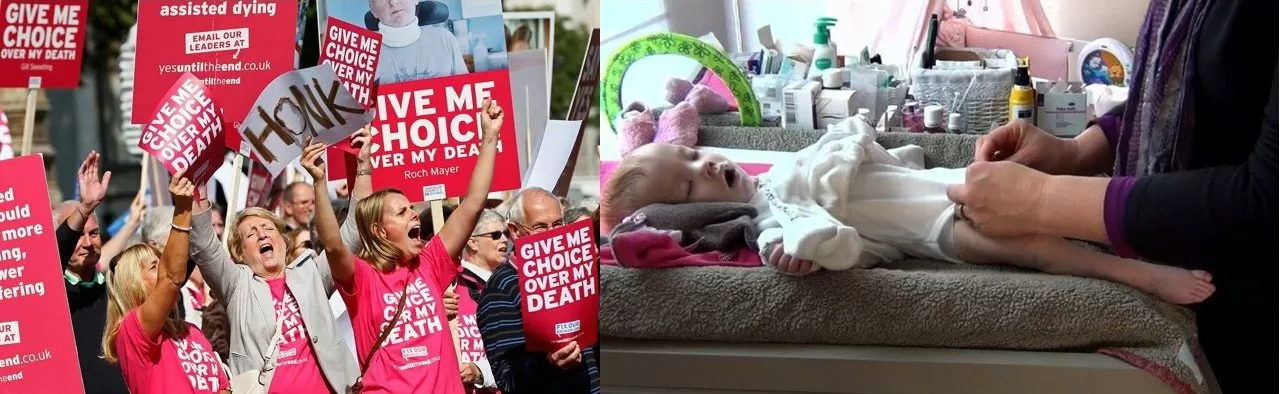
Moreover, some of the most liberal countries in Europe have also recognized the right to euthanasia and assisted suicide. Belgium and the Netherlands were the first countries in the world to legalize euthanasia in 2002, allowing terminally ill patients to end their lives with medical assistance. This progressive policy has sparked many debates and controversies but has also given individuals the right to die with dignity and in a humane manner.
While these progressive policies have been widely accepted and praised in Europe, they have also faced opposition from conservative and religious groups. Some argue that these policies go against traditional values and beliefs, while others claim that they threaten the fabric of society. However, the overwhelming support for these policies from the general public and governments shows that Europe is ready to embrace change and promote inclusivity.
In conclusion, Europe's most liberal states have taken bold steps towards achieving a more equal and inclusive society. The legalization of same-sex marriage, gender identity policies, and abortion have not only promoted individual rights and autonomy but have also challenged traditional beliefs and norms. While there is still more work to be done, these progressive policies serve as a beacon of hope for a more inclusive world. Europe has shown that change is possible, and it is up to us to continue moving forward towards a more accepting and diverse society.