Free Speech Protection Could Sway Labour Votes
New polling by Liberty reveals free speech is a major voter concern affecting election choices. Three in five voters say it influences their political decisions...
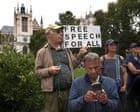
Free Speech Protection Emerges as Critical Election Issue
Recent polling data indicates that free speech protection has become a significant factor influencing voter behavior ahead of the next general election. The human rights organization Liberty commissioned this comprehensive study through More in Common to assess public sentiment on government policies regarding free speech and civil liberties. The results reveal that free speech protection is not merely an abstract political concept but a tangible concern that shapes electoral decisions.
According to the polling results, approximately three in five voters stated that a political party's position on free speech would directly influence their voting behavior at the upcoming general election. This substantial proportion demonstrates the prominence of free speech protection in the public consciousness and its growing importance in political discourse. The data suggests that voters across various demographics recognize free speech as a fundamental value worthy of their electoral consideration.
Government Approach Under Scrutiny
The polling commissioned by Liberty reveals significant public concern regarding the current government's approach to free speech and civil liberties. Many respondents indicated that recent government policies have negatively impacted their perception of how free speech is being protected in the country. This perception gap between government intentions and public reception presents a challenge for policymakers seeking to balance security concerns with individual freedoms.
The human rights organization's analysis suggests that Labour's handling of free speech issues has created an electoral vulnerability. Voters who prioritize free speech protection may reconsider their political allegiances if they perceive insufficient commitment to this fundamental right. The polling data provides empirical evidence that free speech protection is no longer a peripheral issue but a central concern affecting voting patterns.
Implications for Political Parties
Political parties across the spectrum must acknowledge the electoral significance of free speech protection policies. The polling results indicate that voters are increasingly informed about and invested in civil liberties issues. Parties that fail to articulate clear, compelling positions on free speech protection risk losing support among constituencies that value these fundamental rights.
Liberty's findings suggest that the Labour party faces particular pressure to address concerns about its free speech protection policies. With three in five voters indicating that this issue influences their electoral choices, any perceived weakness on civil liberties could translate into lost votes. The organization's position is that stronger commitments to free speech protection would strengthen Labour's electoral prospects.
Public Sentiment on Civil Liberties
The broader polling data reveals that British voters maintain strong convictions about the importance of free speech protection in democratic societies. Beyond the simple statistic that three in five voters consider free speech important electorally, the nuances of public opinion show sophisticated understanding of the tensions between different policy priorities. Voters recognize that free speech protection must coexist with other societal needs, yet they demand that governments prioritize these fundamental freedoms.
The human rights organization Liberty's commissioned research through More in Common demonstrates methodological rigor in capturing authentic voter sentiment. Rather than leading questions or predetermined conclusions, the polling sought to understand genuine public concerns about free speech protection and its role in the political landscape. The results align with broader academic research suggesting that voters increasingly prioritize civil liberties in their electoral decisions.
Election Campaign Implications
As the general election approaches, free speech protection will likely become a more prominent campaign theme. Political parties will need to develop nuanced messaging around civil liberties that resonates with voters concerned about both freedom and security. The polling data offers guidance to campaign strategists: clear, unambiguous commitments to free speech protection resonate with electorates.
Liberty's analysis indicates that failure to adequately address free speech protection concerns could cost Labour significant electoral support. Voters have clearly signaled through their responses to this polling that they expect their political representatives to take civil liberties seriously. The challenge for all parties is translating this voter concern into concrete policy proposals that reassure electorates about commitment to fundamental freedoms while addressing legitimate security considerations.