England's Drought Crisis Expands: Two-Thirds Now Affected
More than two-thirds of England faces drought conditions. East Midlands, Lincolnshire, Northamptonshire, Kent, Sussex and Solent regions enter drought status.
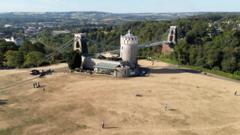
England's Drought Crisis Reaches Critical Levels
England drought crisis has intensified dramatically as more than two-thirds of the nation now finds itself in official drought status. This unprecedented escalation represents a significant environmental challenge across multiple regions, with authorities implementing increasingly stringent water management protocols to address the growing scarcity.
The expansion of drought conditions reflects broader climate patterns affecting the United Kingdom's water resources. With sustained periods of below-average rainfall and elevated temperatures, water authorities across England have been forced to declare formal drought status in successive regions throughout the recent months.
Regions Entering Drought Status
Several key areas have transitioned into drought status, marking a concerning escalation in the water shortage England is experiencing. The East Midlands region, encompassing vast agricultural and industrial zones, now operates under drought protocols. Lincolnshire and Northamptonshire, traditionally important agricultural heartlands, have similarly entered drought conditions, raising concerns about crop irrigation and farming viability.
The southeastern regions have not been spared from this environmental crisis. Kent and East Sussex, densely populated areas dependent on consistent water supplies, have moved into drought status. Additionally, the Solent and South Downs regions, which supply water to millions of residents across southern England, now operate under drought management frameworks.
Implications of Widespread Drought Status
The widespread drought status across these regions carries substantial implications for residents, businesses, and agricultural operations. Water restrictions typically accompany official drought declarations, limiting non-essential water usage including garden irrigation, vehicle washing, and industrial applications. These measures aim to preserve remaining water reserves during extended dry periods.
Agricultural communities face particular pressure during drought conditions. Farmers require substantial water quantities for crop irrigation, livestock management, and maintaining productive operations. The extension of drought status into the East Midlands and Midlands regions threatens food production capabilities and may impact domestic agricultural output.
Environmental and Economic Consequences
Beyond immediate water restrictions, England drought crisis creates broader environmental and economic consequences. Rivers and water bodies experience reduced flow rates, affecting aquatic ecosystems and species dependent on consistent water availability. Groundwater levels decline, potentially requiring deeper extraction methods or alternative water sourcing strategies.
Economic sectors dependent on water availability, including manufacturing, energy production, and tourism, face operational constraints. Hydroelectric facilities may experience reduced generation capacity, while tourism destinations reliant on water-based activities confront limitations on visitor services and recreational opportunities.
Water Authority Responses and Management Strategies
Water authorities managing affected regions have implemented comprehensive response strategies to address the drought status situation. Enhanced monitoring systems track water consumption patterns and detect leakage in distribution networks. Public awareness campaigns encourage responsible water usage and promote conservation practices among households and businesses.
Infrastructure investments focus on improving water supply resilience. Desalination facilities, water recycling systems, and interconnected pipeline networks help distribute available resources more efficiently across regions experiencing acute shortages. These long-term adaptations represent strategic responses to climate-induced water stress patterns.
Future Outlook and Climate Considerations
The progression toward England drought crisis status affecting two-thirds of the nation raises critical questions about climate adaptation and long-term water security. Meteorological forecasts and seasonal rainfall predictions will determine whether drought conditions persist or gradually alleviate through incoming precipitation patterns.
Climate scientists emphasize that changing precipitation patterns, increasingly frequent dry periods, and elevated temperatures represent emerging realities requiring proactive adaptation. Water management policies must evolve to accommodate these shifting environmental conditions, incorporating sustainable practices and infrastructure resilience throughout England's water systems.


