Easter and Holy Week Celebrations Canceled Across the Middle East
Regional instability stemming from the Iran war, and the threat of Iranian missile and drone strikes, disrupted Christian observance of Holy Week across the Mid...
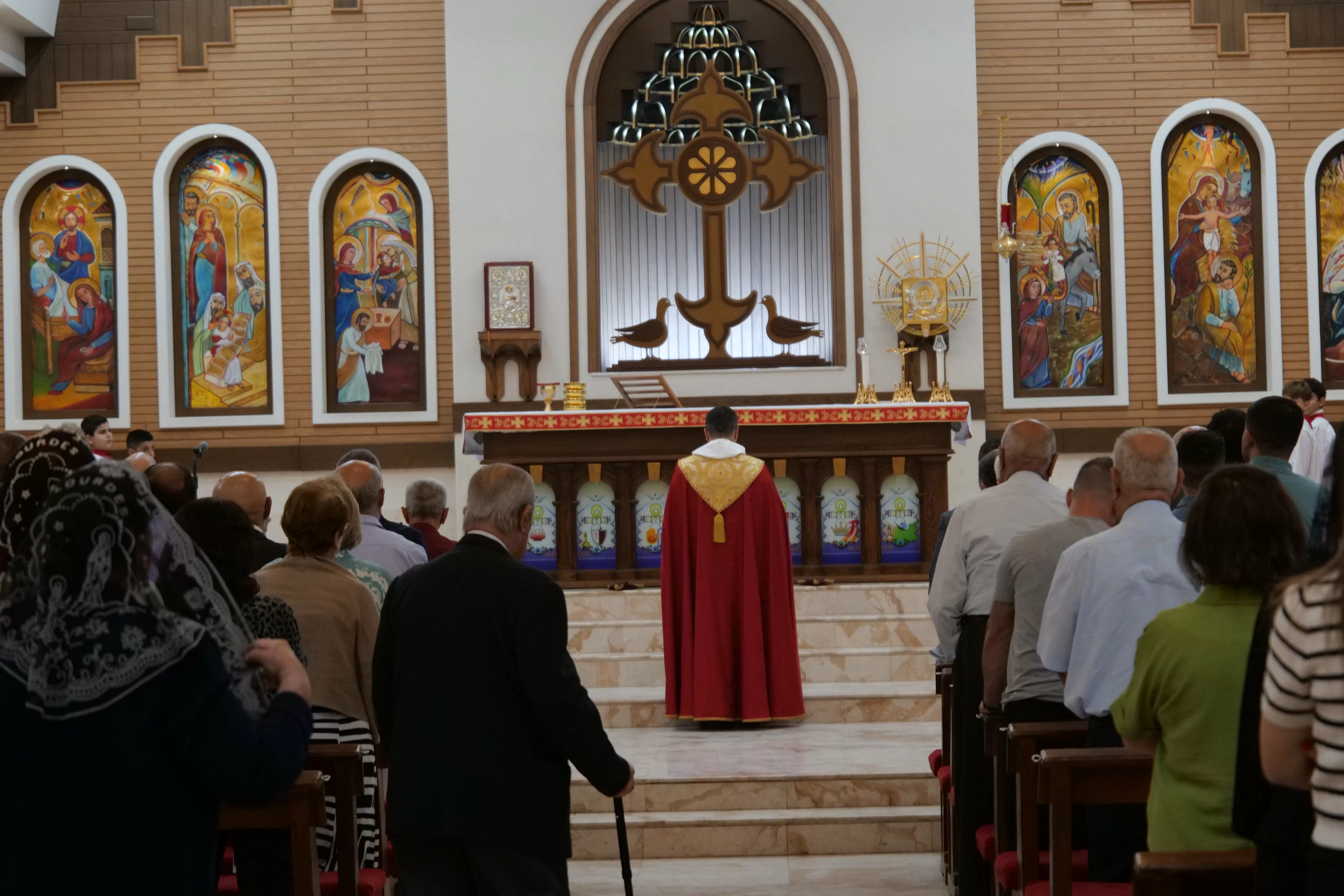
Regional Instability Disrupts Christian Observance of Holy Week Across the Middle East
The Middle East is a region known for its rich history, diverse cultures, and deep religious traditions. However, in recent years, this region has also been plagued by conflict and instability, causing immense suffering to its people. The ongoing war in Iran has only added to the chaos, with its ripple effects being felt far and wide. One such effect has been the disruption of Christian observance of Holy Week across the Middle East, with churches in Iraq, Israel, and the UAE canceling or scaling back Palm Sunday and Easter celebrations.
For Christians around the world, Holy Week is a time of great significance and reverence. It is a time to reflect on the sacrifice of Jesus Christ and his resurrection, which is celebrated on Easter Sunday. However, for Christians in the Middle East, this year's Holy Week has been marred by fear and uncertainty due to the threat of Iranian missile and drone strikes. The ongoing tensions between Iran and the United States have created a sense of unease in the region, with many fearing for their safety and the safety of their loved ones.
As a result, many churches in the Middle East have had to make the difficult decision to cancel or scale back their Palm Sunday and Easter celebrations. In Iraq, where the Christian community has already faced persecution and displacement due to the ongoing war, churches have been forced to cancel their traditional Palm Sunday processions. This is a heartbreaking blow for the Christian community, who consider these processions an integral part of their Holy Week observance.
Similarly, in Israel, churches have had to limit their Palm Sunday and Easter services to a smaller scale, with strict security measures in place. The fear of potential attacks has forced churches to prioritize the safety of their congregants over the grandeur of their celebrations. This has been a difficult decision for many, as Easter is a time when families and friends come together to celebrate and worship.
Even in the UAE, a country known for its religious tolerance and diversity, churches have had to make adjustments to their Holy Week celebrations. The threat of Iranian missile and drone strikes has forced them to cancel their traditional outdoor Palm Sunday processions and limit the number of attendees at Easter services. This has been a disappointment for many, but the safety and well-being of the community must come first.
The disruption of Holy Week celebrations across the Middle East is a stark reminder of the impact of regional instability on the lives of ordinary people. The ongoing war in Iran has not only caused immense suffering to its own people but also has far-reaching consequences for its neighboring countries. The threat of Iranian missile and drone strikes has created a climate of fear and uncertainty, which has affected the lives of all those living in the region.
However, in the midst of all this chaos and disruption, there is still hope. The Christian community in the Middle East has shown resilience and determination in the face of adversity. Despite the challenges, they have found ways to celebrate their faith and come together as a community. Many churches have turned to technology, live streaming their services so that their congregants can still participate in Holy Week celebrations from the safety of their homes.
As we reflect on the events of this Holy Week, let us remember the Christians in the Middle East who have had to adjust their celebrations due to the threat of war. Let us also pray for peace and stability in the region, so that future generations can celebrate Holy Week without fear and disruption. May the message of hope and renewal that Easter brings be a source of comfort and strength for all those affected by the ongoing conflicts in the Middle East.
In conclusion, the cancellation and scaling back of Holy Week celebrations across the Middle East is a sobering reminder of the impact of regional instability on the lives of ordinary people. However, it is also a testament to the resilience and faith of the Christian community in the face of adversity. Let us stand in solidarity with our brothers and sisters in the Middle East and pray for a peaceful and prosperous future for all.