Earth Day: No more wasted opportunities in drive to fix broken electronic devices
As today is Earth Day, we examine how fixing and reusing electronics may be better for us and the planet The post Earth Day: No more wasted opportunities in dri...
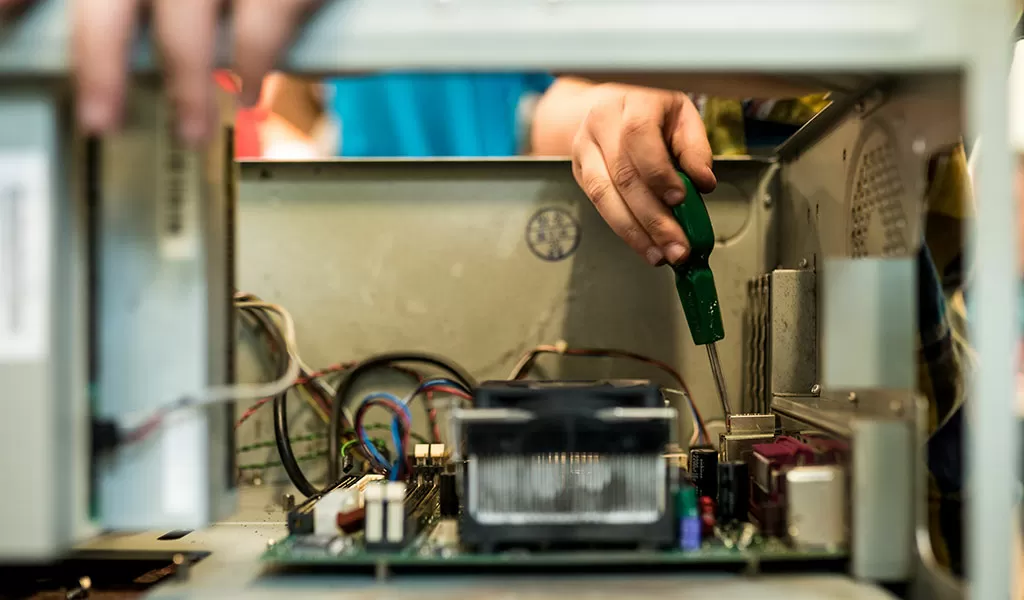
Today, April 22nd, marks Earth Day, a global event that aims to raise awareness and promote actions for environmental protection. This year's theme is "Restore Our Earth," encouraging individuals and communities to take action towards building a more sustainable and healthier planet. As we reflect on our impact on the environment, it is essential to examine our daily habits and consider how we can make a positive change. One area that often goes unnoticed is our use and disposal of electronic devices. As we celebrate Earth Day, let us also consider the impact of our electronics on the planet and why fixing and reusing them may be the better option.
In today's fast-paced world, technology has become an integral part of our lives. We rely heavily on electronic devices for communication, entertainment, and work. As a result, the demand for new and upgraded devices is continually increasing, leading to a surge in the production of electronic waste (e-waste). E-waste is the fastest-growing waste stream globally, with an estimated 53.6 million metric tonnes produced in 2019 alone. This waste not only takes up valuable landfill space but also poses a significant threat to the environment and human health.
The production of electronic devices requires various natural resources, including minerals, metals, and fossil fuels. The extraction and manufacturing processes release harmful chemicals and greenhouse gases into the environment, contributing to climate change and pollution. Moreover, improper disposal of e-waste can lead to toxic substances leaching into the soil and water, contaminating the environment and endangering wildlife and human health. These issues highlight the need to rethink our approach to electronic devices and consider alternatives to constantly buying new ones.
One solution to reduce our impact on the environment is to fix and reuse our electronic devices instead of discarding them. Repairing and refurbishing electronics can extend their lifespan, reducing the need for new devices and the associated environmental costs. It also reduces the amount of e-waste generated and helps conserve natural resources. Additionally, fixing and reusing electronics can also save money for consumers as they don't have to constantly purchase new devices.
However, the current trend of constantly upgrading to the latest and greatest gadgets has made it challenging to opt for repair and reuse. Manufacturers often design devices to be difficult to repair, encouraging consumers to buy new ones instead. This planned obsolescence not only leads to more e-waste but also makes it harder for individuals to make sustainable choices. Therefore, the responsibility falls on manufacturers to design and produce electronic devices that are easily repairable, durable, and have a longer lifespan.
The good news is that some companies have already taken the lead in promoting repair and reuse. For example, Apple has launched a "Independent Repair Provider Program" allowing third-party shops to access the tools and manuals required to repair Apple devices. This initiative not only helps reduce e-waste but also promotes local businesses. Similarly, the "Right to Repair" movement is gaining momentum, calling for legislation that requires manufacturers to make spare parts, repair manuals, and diagnostic tools available to consumers and independent repair shops.
Apart from the environmental benefits of fixing and reusing electronics, there are also social and economic benefits. The repair and reuse industry can create jobs and boost local economies, especially in developing countries where e-waste often ends up. It can also bridge the digital divide by providing access to affordable and functional electronics for those who cannot afford new devices.
As we celebrate Earth Day, let us remember that every action, no matter how small, can make a difference. Choosing to repair and reuse our electronic devices may seem insignificant, but it can have a significant impact on the environment and our future. We must also hold manufacturers accountable for their role in promoting sustainability and encourage them to adopt more environmentally responsible practices.
In conclusion, as we strive to "Restore Our Earth," let us not overlook the importance of fixing and reusing our electronic devices. It is a simple yet effective way to reduce e-waste, conserve natural resources, and combat climate change. We must also urge manufacturers to prioritize sustainability and make it easier for consumers to make responsible choices. Together, we can create a more sustainable future for ourselves and the planet. Happy Earth Day!