Drumcree Court Decision Sparks Sectarian Tensions in Northern Ireland
High court overturns Orange Order march restriction on Garvaghy Road, reigniting Drumcree dispute and sectarian concerns in Northern Ireland.
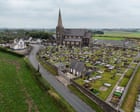
Drumcree Sectarian Confrontation Returns to Northern Ireland Headlines
A significant legal ruling has reignited the Drumcree sectarian confrontation that once dominated Northern Ireland's summer calendar. The high court's decision to quash the latest restriction on an Orange Order march along Garvaghy Road has reopened old wounds and renewed political tensions across the region.
The Drumcree sectarian confrontation represents one of Northern Ireland's most contentious historical disputes, centered on the right to march and community identity. For decades, this annual flashpoint brought communities to the brink of violent conflict, transforming a routine religious procession into a symbol of deeper sectarian divisions.
The Historical Context of Drumcree
The Drumcree sectarian confrontation emerged as a defining challenge for Northern Ireland during the 1990s and early 2000s. What began as a parade of the Orange Order near Portadown's parish church in County Armagh evolved into a focal point for sectarian hostility that extended far beyond the immediate area.
The situation deteriorated significantly, with pitched battles erupting between Orangemen and police forces. These confrontations triggered waves of murderous sectarian violence throughout the region, creating an environment of fear and tension that affected communities far from Garvaghy Road itself.
The Cycle of Violence and Confrontation
During the height of the Drumcree sectarian confrontation crisis, Northern Ireland experienced unprecedented levels of coordinated sectarian attacks. The marching dispute became a flashpoint that galvanized extremist elements on both sides, leading to killings, bombings, and widespread intimidation throughout the province.
Communities became divided along sectarian lines, with the Drumcree sectarian confrontation serving as a catalyst for broader intergroup violence. Businesses were attacked, homes were firebombed, and civilians lived in constant fear of retaliatory violence.
The Decade of De Facto Truce
Gradually, over approximately two decades, the Drumcree sectarian confrontation began to lose its explosive character. What had once caused summers of dread in Northern Ireland evolved into something more manageable, though never entirely resolved. Political negotiations and community efforts contributed to an informal understanding that reduced direct confrontations.
This de facto truce represented a fragile peace, built not on formal agreement but on exhaustion and the recognition that continued violence served no one's interests. The Drumcree sectarian confrontation receded from immediate political discourse, becoming a reference point in historical narratives rather than an active threat to public order.
The Court Ruling and Its Implications
The high court's recent decision to overturn restrictions on the Orange Order march threatens to disrupt this delicate balance. By quashing the latest limitation on the Garvaghy Road march, the court has reopened the Drumcree sectarian confrontation debate in ways many hoped had been resolved.
Legal experts argue the ruling creates significant uncertainty regarding how march restrictions will be managed in the future. The decision suggests that previous agreements and understandings may not provide sufficient legal protection against court challenges to restrictions imposed to prevent sectarian violence.
Political Ramifications Across Party Lines
Nationalist and unionist politicians have responded sharply to the court decision. Nationalist representatives warn that removing march restrictions invites a return to the Drumcree sectarian confrontation climate of the past. They argue that protections for vulnerable communities should take precedence over marching rights.
Unionist politicians counter that the court ruling affirms legitimate cultural expression and the Orange Order's established place in Northern Ireland society. They dispute suggestions that the march automatically triggers sectarian confrontation, pointing to many peaceful marches that occur annually without incident.
Community Concerns and Peace Building
In Portadown and surrounding areas, residents express anxiety about the potential for renewed Drumcree sectarian confrontation. Community relations organizations warn that reopening this dispute could undermine years of careful peace-building work that has reduced intercommunal tensions.
Local leaders emphasize that preventing another cycle of Drumcree sectarian confrontation requires maintaining protections that allow communities to coexist without fear of provocative displays. They advocate for balanced solutions that respect both cultural expression and community safety.
Looking Forward
The implications of this court decision extend beyond the immediate Drumcree sectarian confrontation issue. It raises fundamental questions about how Northern Ireland will balance cultural rights, community safety, and the rule of law as it continues its post-conflict transition.
Political parties and community organizations must now navigate renewed tensions carefully. The challenge lies in preventing the Drumcree sectarian confrontation from rekindling broader sectarian violence while respecting legitimate interests on all sides. Success requires dialogue, compromise, and sustained commitment to the peace process.