Burnham Pledges £900m Homelessness Initiative to End Rough Sleeping
Andy Burnham doubles spending to £900m to tackle homelessness and end rough sleeping by Christmas. Downing Street allocates £432m in new budget.
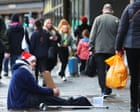
Major Investment to Combat Homelessness Crisis
The Government is implementing a significant homelessness spending increase as part of its comprehensive strategy to eliminate rough sleeping across England. With new funding of £432m announced in the latest budget, the total commitment now reaches nearly £900m, representing a substantial doubling of resources dedicated to this pressing social issue.
Prime Minister Andy Burnham has made tackling rough sleeping a cornerstone of his administration's agenda, with ambitious targets to clear the streets by the festive season. This enhanced investment demonstrates the Government's commitment to providing genuine, lasting solutions rather than temporary measures for those experiencing homelessness.
Comprehensive Support Framework
The expanded budget allocation enables a multi-faceted approach to ending rough sleeping across the nation. Rather than relying solely on emergency shelters, the initiative focuses on identifying sustainable pathways out of homelessness for vulnerable individuals. This includes accommodation placement, mental health support, addiction treatment services, and employment assistance programs.
Every rough sleeper in England will be offered access to a safe route off the streets or comprehensive wider support services under this new framework. The approach recognizes that homelessness is rarely a simple issue with a single solution—instead, it requires tailored interventions addressing the unique circumstances of each individual.
Strategic Timeline and Implementation
The ambitious Christmas deadline represents a significant marker in the Government's rough sleeping solutions agenda. While critics might argue the timeframe is optimistic, officials maintain that the substantial funding injection, combined with coordinated local authority efforts, creates realistic possibilities for meaningful impact before year-end.
Local councils and charitable organizations will receive guidance and resources to implement street outreach programs, establishing assessment centers where individuals can be rapidly connected with appropriate support services. The coordination between central government funding and grassroots organizations proves essential to achieving measurable results within the compressed timeline.
Funding Breakdown and Resource Allocation
The £432m additional injection announced this week complements previous commitments, bringing the cumulative budget allocation to approximately £900m through the end of the parliamentary term. This represents a doubling of previous spending levels and signals genuine policy prioritization at the highest levels of government.
The funding distribution encompasses several key areas: transitional housing facilities, permanent supportive accommodation, outreach team expansion, health and rehabilitation services, and job training initiatives. By addressing root causes alongside immediate housing needs, the Government aims to break the cycle that perpetuates rough sleeping in British communities.
Long-Term Vision Beyond Christmas
While the Christmas target provides an immediate focal point, officials emphasize that this initiative represents a sustainable, long-term commitment to homelessness resolution. The £900m investment creates infrastructure and support systems designed to remain in place and evolve based on outcomes data and feedback from affected communities.
This approach contrasts with previous temporary campaigns, instead establishing permanent capacity within local authorities and partner organizations. Training programs for outreach workers, establishment of medical clinics serving rough sleepers, and creation of transitional housing networks represent investments that will yield benefits well beyond the initial announcement period.
Interagency Coordination and Partnership
Success in delivering homelessness initiatives depends critically on seamless coordination between multiple government departments, local councils, health services, and voluntary sector organizations. The budget allocation specifically includes funding for improved data sharing systems and integrated support planning mechanisms.
Charities specializing in homelessness services, housing associations, health trusts, and employment agencies will work together under unified strategies to ensure rough sleepers receive coordinated, continuous support rather than fragmented services. This integrated approach represents a significant evolution in how government addresses complex social challenges requiring multifaceted solutions.