Budget 2026: Healey Increases Taxes on Financial Sector
Chancellor Healey announces tax increases on banks and landlords in Budget 2026 to fund £100 winter support for 20 million households amid cost of living crisis...
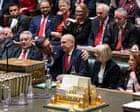
Chancellor Implements Comprehensive Tax Strategy in Budget 2026
Chancellor John Healey has unveiled significant Budget 2026 tax increases targeting the financial sector and property industry to finance emergency relief for millions of British families. The £100 winter handout programme, designed to support approximately 20 million households, represents a cornerstone of the government's response to the ongoing cost of living challenges facing the nation.
The Budget 2026 tax increases come as official economic forecasts indicate a prolonged period of financial hardship for households across the United Kingdom. Rather than offering optimistic projections, government economists have signalled that relief from current economic pressures remains distant, requiring immediate intervention measures.
Tax Burden Shifts to Banking and Property Sectors
The chancellor's strategy centres on redistributing the tax burden from working families to major financial institutions and property owners. By increasing levies on banks and landlords, the government aims to generate sufficient revenue while shielding lower and middle-income households from additional tax obligations.
Bank sector taxation forms a critical component of this fiscal approach. Financial institutions, which have posted record profits during recent years, will face enhanced tax obligations under the new measures. This decision reflects broader government policy to ensure that major corporations contribute proportionally to public finances during periods of economic difficulty.
Landlord Tax Measures
Landlords operating within the residential property market will experience increased taxation on rental income and property holdings. These measures address concerns that property owners have benefited disproportionately from rising property values and sustained rental demand, even as tenant households face genuine financial pressures.
Winter Support Programme for 20 Million Households
The £100 winter handout initiative represents a direct intervention to alleviate immediate financial pressures on families during the challenging winter months. The programme targets approximately 20 million households identified as vulnerable to energy price increases and general cost of living pressures.
This targeted approach aims to provide practical support at the point where families face maximum vulnerability. Winter months typically see elevated energy consumption, heating costs, and additional expenses for vulnerable populations including pensioners, families with young children, and those with disabilities.
Economic Context and Global Factors
The chancellor explicitly referenced global economic circumstances as contributing factors to Britain's challenging fiscal environment. Ongoing geopolitical tensions, particularly involving Iran, have created upward pressure on international oil and gas markets. These supply-side pressures translate directly into elevated energy costs for British consumers and businesses.
In his first budget presentation, Healey characterised current economic conditions as emerging from "global economic storms," acknowledging that domestic policy alone cannot insulate the British economy from international market dynamics. The chancellor's framing emphasised that current inflation pressures and cost of living difficulties stem substantially from factors beyond immediate government control.
Forecasts Signal Prolonged Economic Challenges
Official government forecasts accompanying the Budget 2026 announcement paint a sobering picture regarding future economic conditions. Rather than projecting rapid improvement, economic advisers have indicated that cost of living pressures will persist throughout the forecast period.
These forecasts suggest that multiple years may elapse before energy markets stabilise and broader inflation pressures ease sufficiently to restore household purchasing power to previous levels. This outlook has influenced the government's decision to implement immediate, targeted support rather than relying on medium-term economic recovery.
Strategic Fiscal Policy Under Scrutiny
The Budget 2026 tax increases reflect deliberate policy choices regarding which sectors should bear enhanced fiscal obligations. By concentrating additional taxation on financial institutions and property owners, the government has signalled priorities regarding wealth distribution and sectoral contributions to public finances.
The winter handout programme demonstrates commitment to maintaining social support during genuine economic hardship. By funding relief measures through increased taxation on profitable sectors rather than reducing public services, policymakers have attempted to balance fiscal responsibility with protection for vulnerable populations.
As the Budget 2026 implementation proceeds, attention will focus on whether tax increases on banks and landlords generate anticipated revenue levels and whether the £100 winter support meaningfully addresses household financial pressures. The success of these measures will likely influence future budgetary decisions and government approaches to cost of living challenges.