British Steel Future Needs Clear Plan as Costs Soar
Government watchdog warns of startling costs keeping British Steel operating publicly. Labour urged to present credible strategy for struggling steelmaker's fut...
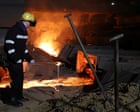
British Steel Future Plan Under Scrutiny
Labour has faced mounting pressure to establish a credible British Steel future plan as the government spending watchdog issued stern warnings about the mounting expenses of sustaining the publicly-owned manufacturer. The financial burden of maintaining operations at the struggling firm continues to escalate, with no clear resolution visible on the horizon. Senior officials have expressed deep concern about the long-term viability and strategic direction of one of Britain's most significant industrial assets.
Public Ownership and Rising Costs
British Steel transitioned into public ownership during July, a pivotal decision made to safeguard "the future of steel production" within the nation. This move represented the latest chapter in an ongoing struggle to maintain domestic steel manufacturing capabilities. The company had previously required emergency government intervention to prevent the closure of its flagship Scunthorpe steelworks facility, which would have resulted in the loss of approximately 4,000 jobs across the region.
The financial implications of maintaining this publicly-owned enterprise have proven far more substantial than initially anticipated. Government accountants have identified what they describe as "startling" expenditures associated with keeping operations functional. These costs raise fundamental questions about the sustainability of current policies and the need for comprehensive restructuring measures.
Government Watchdog Warnings
The government spending watchdog has become increasingly vocal in highlighting the precarious financial situation surrounding British Steel's ongoing operations. Officials within this oversight body have stressed that without significant intervention and strategic planning, the costs associated with supporting the manufacturer will continue their upward trajectory. The warnings underscore a broader concern about resource allocation and fiscal responsibility within government-supported industrial ventures.
The watchdog's analysis suggests that the current trajectory is neither financially prudent nor sustainable for long-term operations. Their assessments have prompted calls from across the political spectrum for urgent action and the development of a comprehensive strategic framework.
Political Pressure and Strategic Requirements
Ministers have been explicitly instructed to demand that Labour present a detailed and credible roadmap for addressing British Steel's challenges. This demand reflects growing frustration with what observers describe as a lack of clear direction and long-term vision for the company's future. Political leaders across various parties have emphasized that maintaining the status quo is not a viable option.
The pressure on government officials to establish a coherent plan stems from recognition that British Steel represents a critical component of the nation's industrial infrastructure. The loss of such manufacturing capacity would have far-reaching implications for employment, regional economies, and national self-sufficiency in steel production.
Employment and Regional Impact
The Scunthorpe steelworks facility remains a significant employer in its region, with thousands of workers depending directly and indirectly on the company's continued operations. Any substantial reduction in output or workforce would have cascading effects throughout local supply chains, supporting businesses, and service industries. This economic reality has driven urgent calls for decisive governmental action.
The protection of these jobs has been cited as a fundamental justification for maintaining British Steel in public ownership. However, this justification must be balanced against the financial costs being incurred by taxpayers to sustain operations indefinitely.
Future Prospects and Strategic Options
As discussions continue regarding the British Steel future plan, various strategic options remain under consideration. These include comprehensive operational restructuring, investment in modern production technologies, market expansion initiatives, and potential partnerships with private sector entities. Each approach carries distinct financial implications and probability of success.
The challenge facing government officials involves identifying solutions that balance multiple competing interests: maintaining employment, reducing public expenditure, ensuring steel manufacturing capacity remains viable, and establishing a sustainable business model. Without clear direction and decisive action, stakeholder confidence in the company's long-term viability will continue to erode.
Conclusion
The situation surrounding British Steel underscores the complexities inherent in managing critical industrial assets within modern economies. The government spending watchdog's warnings about mounting costs serve as a urgent reminder that current approaches require fundamental reassessment. Labour must respond to these demands with comprehensive planning, transparent communication, and realistic pathways toward financial sustainability. The stakes remain high not only for the company itself but for British manufacturing capacity and the thousands of workers whose livelihoods depend on achieving a credible resolution to this ongoing industrial challenge.