Behind the Scenes: Mojtaba Khamenei Reportedly Pushed Iran into U.S. Ceasefire Deal as Trump’s Deadline Hit
Iran’s ceasefire with the United States reportedly turned on a dramatic final-hour intervention from Mojtaba Khamenei, the country’s still-unseen new supreme le...
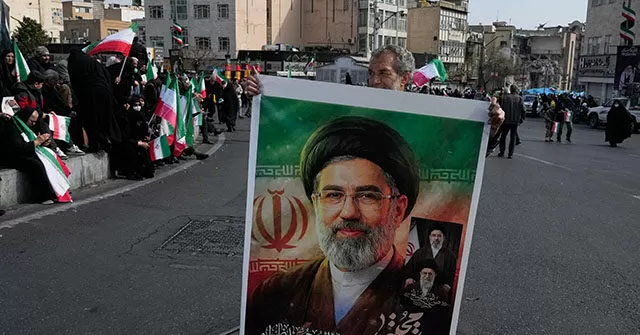
Iran and the United States have been at odds for decades, with tensions reaching a boiling point in recent years. However, in a surprising turn of events, the two countries have agreed to a ceasefire, putting an end to the threat of a potential U.S. bombardment. This ceasefire was made possible by the intervention of Mojtaba Khamenei, the new supreme leader of Iran, who gave the green light for negotiations to move forward.
According to sources, the negotiations between Iran and the U.S. were at a standstill, with President Donald Trump's deadline quickly approaching. The threat of a U.S. bombardment loomed over the negotiations, and it seemed like the two countries were at a stalemate. However, in the final hours, Mojtaba Khamenei stepped in and pushed for a deal to be made.
Mojtaba Khamenei's involvement in the negotiations came as a surprise to many, as he has been relatively unknown to the public. He is the son of Ayatollah Ali Khamenei, the former supreme leader of Iran, and is seen as a rising star in the country's political scene. His intervention in the ceasefire deal has solidified his position as a key player in Iran's political landscape.
The decision to enter into a ceasefire with the U.S. was not an easy one for Iran. The country has long been at odds with the U.S., and many hardliners were against any form of compromise. However, Mojtaba Khamenei recognized the potential consequences of not reaching a deal. He understood that a U.S. bombardment would have devastating effects on the country and its people. His intervention was a bold move, but it ultimately led to a breakthrough in the negotiations.
The ceasefire deal has been met with mixed reactions, with some praising it as a step towards peace and others criticizing it as a sign of weakness. However, one thing is clear – Mojtaba Khamenei's role in the deal cannot be ignored. His decision to push for a ceasefire shows a willingness to put the country's interests above personal or political agendas. This is a quality that is much needed in today's political climate.
The negotiations between Iran and the U.S. were not just about a ceasefire. They were also a test of Iran's new leadership and its ability to navigate through difficult situations. Mojtaba Khamenei's involvement has shown that the country is in capable hands and that the new leadership is willing to take bold steps for the betterment of the nation.
The ceasefire deal has also opened the door for future negotiations between the two countries. It has shown that despite their differences, Iran and the U.S. can come to the table and find common ground. This is a positive development that could potentially lead to a more peaceful relationship between the two nations.
In the midst of all the political turmoil and tensions, Mojtaba Khamenei's intervention has brought a glimmer of hope. It has shown that even in the most challenging of situations, there is always room for dialogue and compromise. His actions have not only averted a potential crisis but have also paved the way for a brighter future for Iran.
In conclusion, the ceasefire deal between Iran and the U.S. was made possible by the intervention of Mojtaba Khamenei. His decision to push for a deal in the face of a looming deadline and the threat of a U.S. bombardment has shown strong leadership and a commitment to the well-being of the country. This deal marks a new chapter in the relationship between Iran and the U.S. and is a testament to the power of diplomacy and dialogue.