Baltimore Creates $35 Million Reparations Fund But None of the Money Has Been Paid Out Because Everyone is Fighting For Control Of It
When the state of Maryland legalized the sale of marijuana a few years ago, they decided that they would set aside a few dollars from each sale to go into a rep...
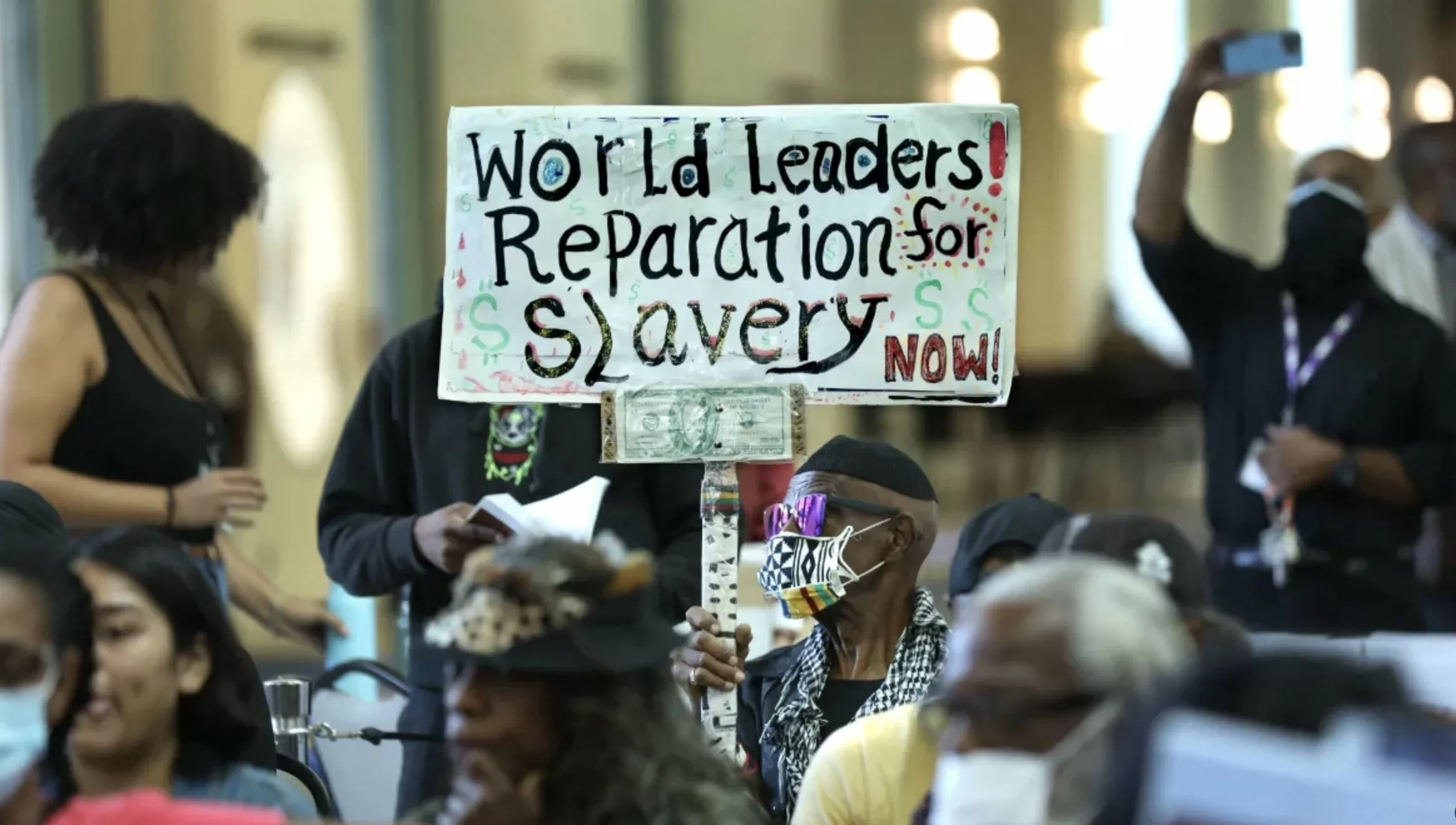
When Maryland legalized the sale of marijuana a few years ago, it was met with both excitement and hesitation. While many saw it as a step towards progressive thinking and a boost to the economy, others were concerned about the potential negative effects of legalizing a drug.
To address these concerns, the state of Maryland came up with a brilliant solution - a reparations fund. This fund would collect a small portion of each marijuana sale and use it to support various social programs. It was a win-win situation for everyone - the state, the citizens, and those who have been historically marginalized.
The fund, now known as the Baltimore Reparations Fund, has accumulated a hefty $35 million over the years. This money was supposed to be used to address issues that have plagued the city for far too long - poverty, education, housing, and healthcare. But unfortunately, a recent report has revealed that none of this money has been paid out.
The reason? Everyone is fighting for control of the fund.
Since its inception, there have been numerous disagreements and power struggles between different groups within Baltimore. Each group has its own agenda and believes that their cause should be prioritized over others. As a result, the money has been held in limbo, with no progress or tangible impact being made on the ground.
This is a major setback for the city, as the fund was created with the sole purpose of bringing about positive change and addressing systemic inequalities. It was a beacon of hope for many who have been struggling to make ends meet, and now their hopes have been shattered.
But all is not lost. While it is disheartening to see the fund being caught up in bureaucratic battles, it is important to remember the purpose it was created for. The idea of reparations is not a new one, and it has been a long-standing demand of marginalized communities. The Baltimore Reparations Fund is the first of its kind in the United States, and it has the potential to serve as a model for other cities and states to follow.
It is imperative that the various groups involved put their differences aside and work towards a common goal - to uplift the marginalized and create a more equitable society. The fund needs to be managed efficiently and transparently, with a clear roadmap for how the money will be utilized. This will not only ensure accountability but also build trust within the community.
The city of Baltimore is a perfect example of the consequences of systemic racism and inequality. It is a city where poverty and crime rates are high, and opportunities are scarce for many. The creation of the reparations fund was a step towards acknowledging and rectifying these injustices. But without the proper execution, it will remain just a symbolic gesture.
The current situation may seem discouraging, but it should not diminish the importance of the Baltimore Reparations Fund. It is a testament to the fact that the fight for racial and social justice is far from over. It also highlights the need for a unified approach and collaboration among different groups to bring about real change.
One thing is clear - the money in the reparations fund belongs to the people of Baltimore, especially those who have been historically disadvantaged. It is their right to demand that the fund be used for their benefit. The city and its leaders must prioritize addressing the issues of poverty, education, housing, and healthcare, which the fund was intended to support.
In the end, the success of the Baltimore Reparations Fund will not be determined by the amount of money it collects, but by the positive impact it has on the lives of its citizens. It is time for those in power to put aside their personal agendas and work towards fulfilling the promise of reparations. Only then can we truly say that justice has been served.