Anti-data center measures gain traction at state, local level
Measures seeking to block or rein in data center construction are gaining momentum at the state and local level, as Americans increasingly sour on the massive b...
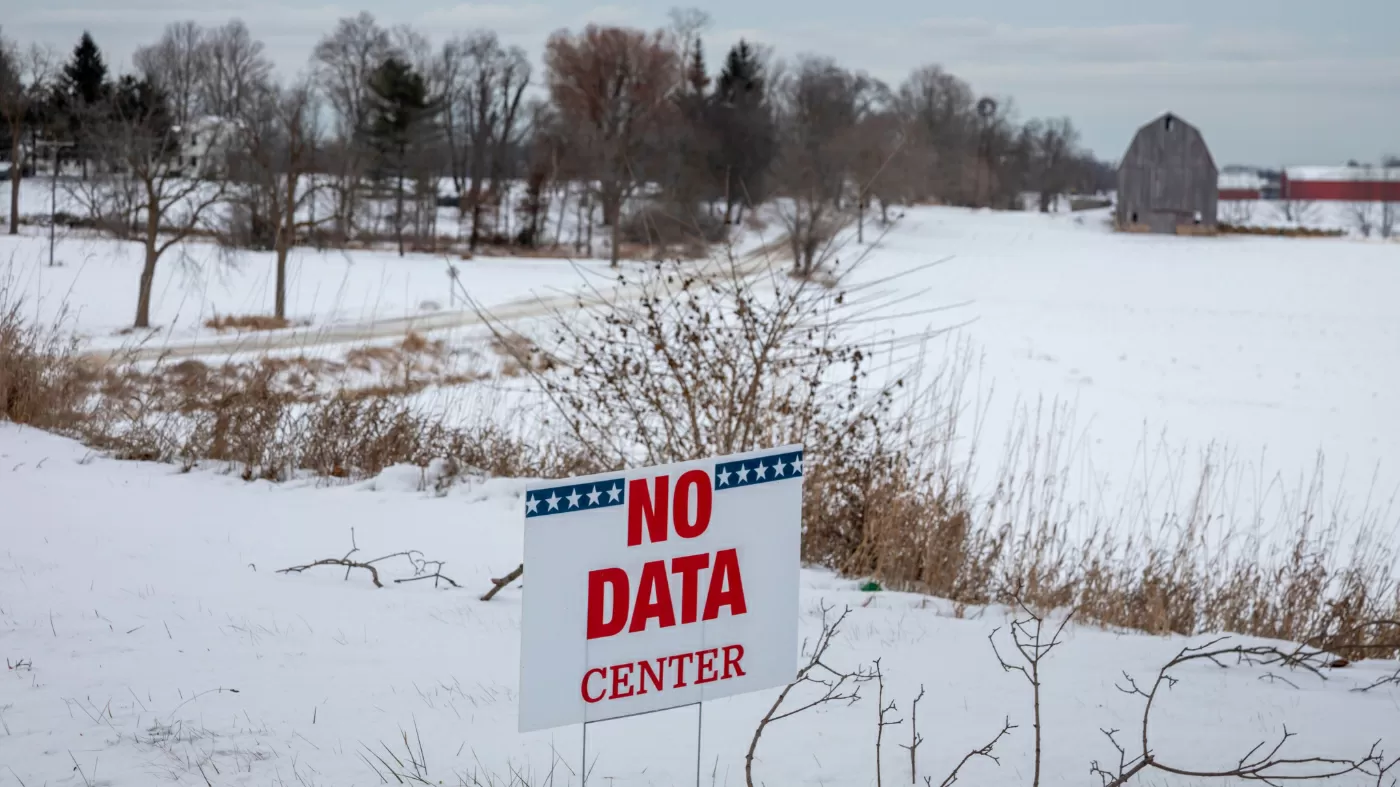
In recent years, the rapid growth of technology and the increasing demand for data storage has led to a surge in the construction of data centers across the United States. However, this trend is now facing pushback from concerned citizens and lawmakers who are questioning the impact of these massive AI infrastructure projects on their communities. In fact, measures to block or limit the development of data centers are gaining momentum at the state and local level, with the Maine Legislature becoming the first in the nation to pass a bill banning the construction of large-scale data centers.
The bill, which was passed last week, prohibits the development of data centers that exceed 50,000 square feet in size. This move has been met with both support and criticism, with some applauding the state for taking a stand against the unchecked growth of data centers, while others argue that it will hinder economic growth and job opportunities.
So why are Americans increasingly sour on the construction of data centers in their communities? The answer lies in the potential negative impacts that these facilities can have on the environment, infrastructure, and quality of life.
One of the main concerns surrounding data centers is their massive energy consumption. These facilities require a constant supply of electricity to power their servers and cooling systems, which can have a significant impact on the local power grid. In fact, a single data center can consume as much energy as a small town, leading to increased strain on the already overburdened energy infrastructure. This not only raises concerns about the reliability of the power supply but also contributes to carbon emissions and climate change.
Moreover, the construction of data centers often requires significant amounts of water for cooling purposes. In areas where water is already a scarce resource, this can lead to conflicts with local communities and environmental concerns. Additionally, the influx of construction workers and increased traffic can put a strain on the local infrastructure, leading to road congestion and potential damage to roads and bridges.
But it's not just the environmental and infrastructure impacts that have people worried. The influx of data centers can also have a significant impact on the local economy and housing market. As these facilities require a large amount of land, they often take up valuable real estate that could be used for other purposes, such as housing or commercial development. This can drive up property prices and make it difficult for local residents to afford to live in their own communities.
Furthermore, the jobs created by data centers are often highly specialized and require specific skills, making it difficult for local residents to secure employment. This can lead to an influx of out-of-state workers, putting a strain on the local housing market and potentially driving up rental prices.
In light of these concerns, it's no surprise that measures to block or limit the construction of data centers are gaining momentum. The Maine Legislature's decision to ban the development of large-scale data centers is a significant step towards addressing these issues and protecting the interests of local communities.
However, it's important to note that not all data centers are created equal. Some companies have taken steps to make their facilities more environmentally friendly by using renewable energy sources and implementing energy-efficient technologies. These companies should be commended for their efforts and should be encouraged to continue their sustainable practices.
In addition, data centers can also bring economic benefits to communities, such as job opportunities and tax revenue. Therefore, a blanket ban on all data centers may not be the most effective solution. Instead, a balanced approach that takes into consideration the concerns of local communities while also promoting sustainable and responsible development should be adopted.
In conclusion, the Maine Legislature's decision to ban the development of large-scale data centers is a significant step towards addressing the negative impacts of these facilities on local communities. It's time for other states and local governments to follow suit and take a stand against the unchecked growth of data centers. By promoting responsible and sustainable development, we can ensure that our communities thrive while also protecting the environment for future generations.


