Advanced Microscope 'Curie' May Unlock Inflammatory Bowel Disease Cures
Scientists unveil revolutionary 'Curie' microscope with 10x magnification to discover breakthrough treatments for inflammatory bowel disease and Crohn's conditi...
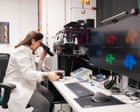
Revolutionary Microscope Technology Offers New Hope for Inflammatory Bowel Disease
A groundbreaking advancement in microscopic imaging could transform how researchers approach inflammatory bowel disease, offering unprecedented opportunities to identify root causes and develop innovative therapeutic solutions. The cutting-edge 'Curie' microscope, operating at magnifications ten times greater than traditional optical systems, represents a significant leap forward in medical research technology designed specifically to study gastrointestinal conditions affecting millions globally.
The rising prevalence of inflammatory bowel disease among younger populations has created an urgent need for breakthrough discoveries. Current treatment options remain limited, prompting the scientific community to invest in sophisticated instrumentation capable of revealing cellular and molecular mechanisms previously beyond observation. This advanced microscope addresses that critical gap by enabling researchers to examine tissue samples with extraordinary clarity and precision.
Understanding the Scope of Inflammatory Bowel Disease in the UK
The United Kingdom faces a substantial public health challenge regarding inflammatory bowel disease prevalence. According to data from the British Society of Gastroenterology, more than half a million residents currently live with inflammatory bowel disease, making it a significant health concern affecting diverse age groups and communities across the nation.
Inflammatory bowel disease encompasses several distinct conditions, with Crohn's disease and ulcerative colitis representing the two predominant forms. Both conditions cause chronic inflammation within the digestive tract, resulting in severe pain, nutritional deficiencies, and significantly diminished quality of life. The chronic nature of these diseases means patients require ongoing management and face limited curative options, underscoring the critical importance of fundamental research initiatives.
How 'Curie' Microscope Advances Medical Research Capabilities
The 'Curie' microscope operates at ten times the resolution of conventional microscopy systems, enabling scientists to observe minute cellular structures and biological processes impossible to visualize with standard equipment. This enhanced magnification capacity allows researchers to examine tissue samples at unprecedented levels of detail, potentially revealing the fundamental mechanisms driving inflammatory bowel disease progression.
Superior resolution imaging capabilities translate to more accurate diagnoses, better understanding of disease pathogenesis, and improved ability to evaluate how potential treatments interact with affected tissues. By observing cellular responses at magnifications unreachable with traditional microscopes, researchers can identify specific targets for pharmaceutical intervention and understand why certain patients respond differently to existing treatments.
Potential Impact on Treatment Development
Medical scientists anticipate that discoveries facilitated by this advanced microscopy technology could accelerate the development of novel therapeutic approaches for inflammatory bowel disease management. Enhanced understanding of tissue-level disease mechanisms may reveal previously unknown intervention points where new medications could interrupt disease progression or reduce inflammation more effectively than current options.
The microscope's capabilities extend beyond simple observation, potentially enabling researchers to study how immune cells interact with intestinal tissue, how the gut microbiome influences disease development, and what genetic or environmental factors trigger inflammatory responses. These multifaceted insights could collectively contribute to paradigm shifts in how gastroenterologists approach treatment planning for individual patients based on their specific disease characteristics.
Global Context and Future Research Directions
The international medical research community recognizes that inflammatory bowel disease represents a growing health challenge worldwide, particularly among younger demographics. This emerging microscope technology arrives at a critical moment when research institutions globally are intensifying efforts to understand and combat these devastating conditions.
Future applications of this advanced microscopy technology extend beyond inflammatory bowel disease, potentially benefiting research into other gastrointestinal disorders and cellular-level investigations across multiple medical specialties. The development represents investment in foundational research infrastructure necessary for breakthrough discoveries that could reshape treatment paradigms for numerous incurable conditions affecting human health.